Let’s be honest, rebrands aren’t acts of courage. Most of the time, they’re acts of panic. Or worse… vanity projects dressed up as strategy.
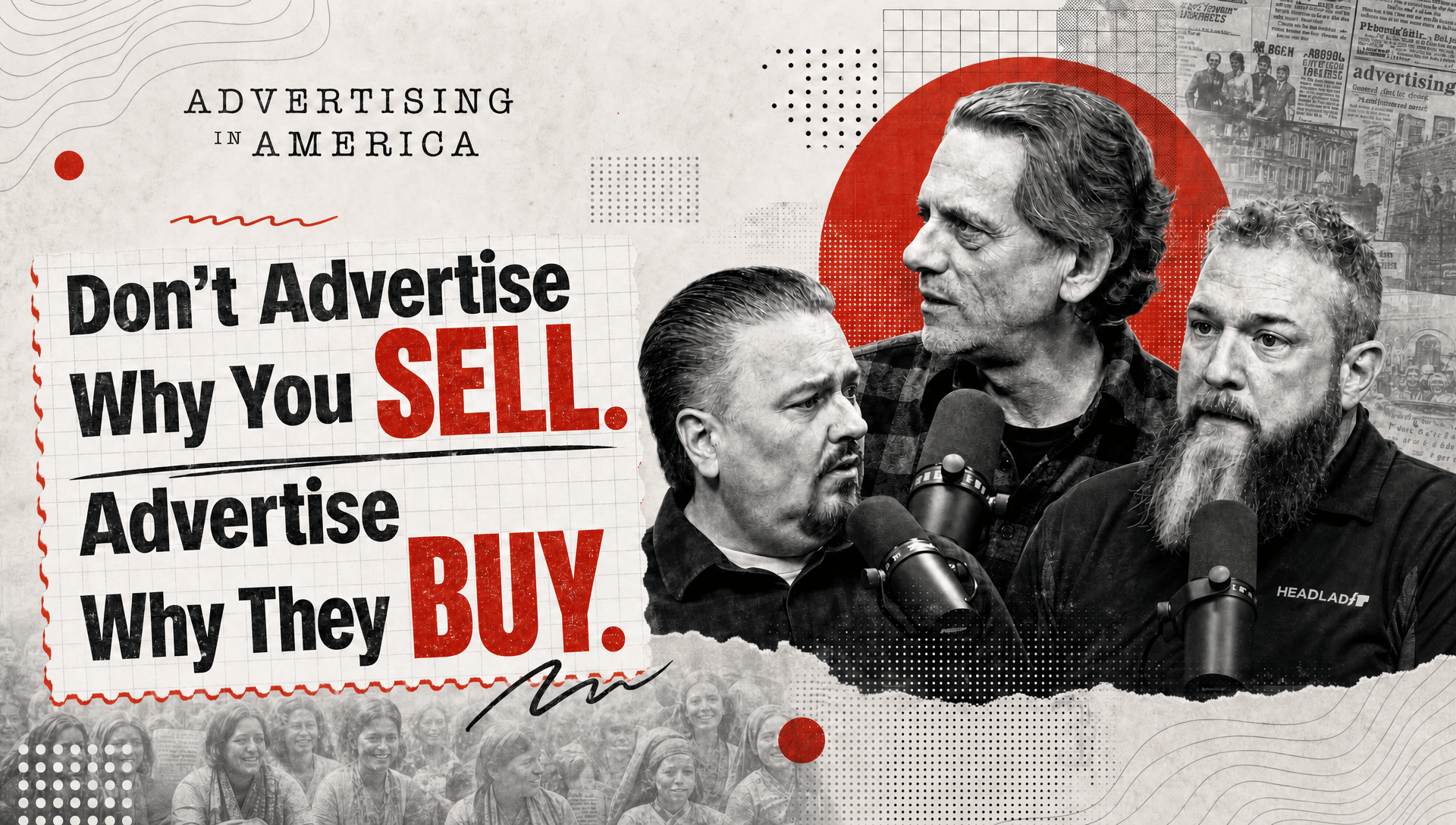
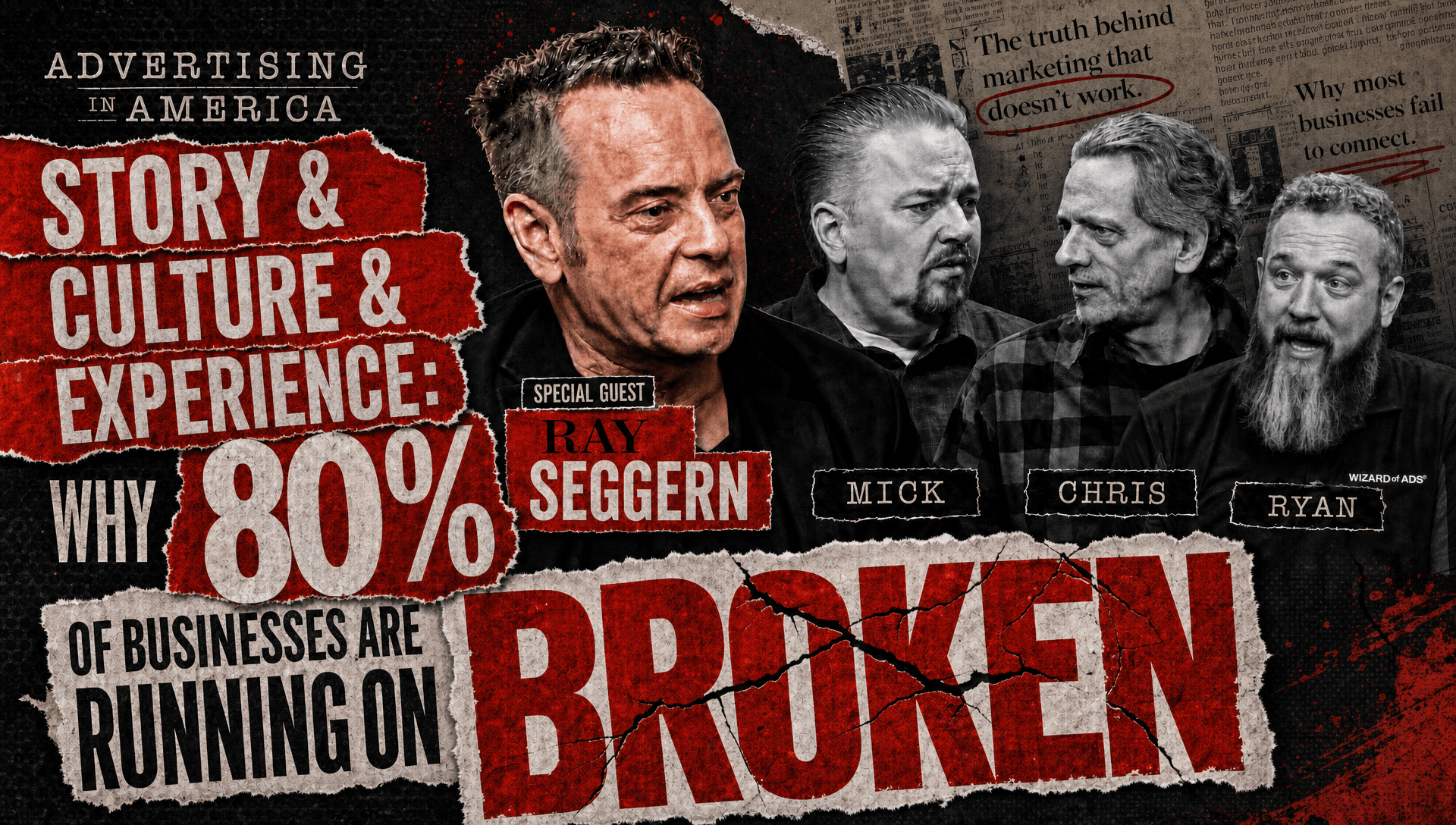
In Episode 24 of Advertising in America, Ryan Chute, Chris Torbay, and Mick Torbay take a hard look at rebranding, why it’s so often suggested, why it’s so frequently wrong, and how it quietly destroys the trust brands spend years building.
They unpack the uncomfortable truth that companies don’t own their brands, the customers do. That logos don’t carry meaning, memories do. And that changing everything because “it feels stale” is usually a sign the leadership has lost touch with the story that made the business matter in the first place.
From famous rebrand failures to everyday service businesses flirting with identity loss, this episode draws a bright line between evolution and erasure and explains why most agencies are financially rewarded for recommending the latter.
Because when you rebrand without clarity, you don’t look bold.
You look unfamiliar.
And unfamiliar brands don’t get chosen.
Episode Highlights
- Why customers (not companies) decide what your brand is
- The critical difference between a rebrand, a refresh, and an ego project
- How rebrands erase trust faster than they create attention
- Why “new” is not a strategy and often a warning sign
- The hidden incentives that push agencies to recommend rebrands
- How to evolve your brand without killing what already works
🎧 Hit play and make sure the next change you make strengthens your brand instead of starting it over.
📱 Subscribe wherever you get your podcasts
💬 Are you fixing what’s broken or just bored with what’s familiar?
👉 And if you changed everything tomorrow… would customers still recognize you?
💥 Brought to you by Wizard of Ads for Essential Services
On today's episode of Advertising in America, we can look at brands that done messed up bad. Should you rebrand your company or stand by what's been working?
Here's the thing about rebrands. They're exciting. You hire a new agency because, for whatever reason, you weren't happy with the last one. What does that new agency want to do? Bill you for stuff.
Just like the old saying, when all you have is a hammer, every problem starts to look like a nail. When you're a branding agency, every client with a problem starts to look like they could benefit from a full rebrand.
Change things because they're bad, they're wrong, or they're inconsistent with your future plans. Going to a clean slate might be throwing out perfectly good material. Might even be something that consumers relate to. You actually don't get to decide what people call your company, the consumer does. Nobody calls it Federal Express, they call it FedEx.
Over time, great brands start to belong to all of us, and it's your job to understand what they mean to us and not.
Ryan Chute: Should you rebrand your company or stand by what's been working? Do you need a little tweak or a total overhaul? It's like renovating a home. Where do you start and where do you stop? Mick, how do you not screw up a rebrand?
Mick Torbay: My first step would be to ask, why are you rebranding at all? Are you sure you need to? Because it's easy to not screw it up if you don't do it in the first place. Here's the thing about Rebrands. They're exciting. You hire a new agency because, for whatever reason, you weren't happy with the last one. And what does that new agency want to do? Bill you for stuff. You see the standard agency model bills differently from how the Wizard of Ads people do. Agencies bill based on hours worked, which gives them the incentive to increase billable hours. How best to do that? Change fucking everything. And that's fun. New name, new logo, new colors, new designs, new messaging, new everything. Man, that's going to take some time. going to have to do research. Many, many working lunches to get all that taken care of. And wow, is that going to be a huge bill at the end of the year? But hey, at least we're excited about stuff.
Now, here at the Wizard of Ads organization, we are not paid on billable hours. Our clients pay us based on results. That's it. No more, no less. You make more dollars, we earn more pennies, which means we are not incentivized at all to change something that's working.
We're not paid to change stuff. We're paid to get you paid, and not everything you're doing right now is wrong. So why would we change it just to change it? We only change stuff if it's holding you back from growing to your full potential. And here's an example. I had a client in the plumbing business called All Drain, not great, but not bad either. When we met them, I asked if they had any plans to expand into other trades. “Yes,” they said, “we're going to add HVAC and a year or two.” Okay, then, All Drain is going to be a problem, so let's change your name now so that the marketing plan we come up with will be ready for another trade that's not freaking drains.
That's a reason to do a rebrand. Change things because they're bad, they're wrong, or they're inconsistent with your future plans. But look at every marketing element on its own merits. Going to a clean slate might be throwing out perfectly good material, might even be something that consumers relate to, and you're just going to arbitrarily throw it all away because “new”.
If you're looking for a change, it might be a pivot that you need rather than a rebrand. Maybe point the spotlight at something that's already there, but maybe hasn't been given the attention it deserves. Oftentimes, a rebrand happens because of ego, and that's not a good reason to change stuff. Remember, it's not about you, or the marketing director, or the agency, it's about the consumer. Never lose sight of that. And above all, if someone tells you everything needs to change, double-check that it's good for you and not good for that person's billable hours.
Ryan Chute: If you don't believe a rebrand works, just search what Mick looked like when he was in a Canadian boy band. That's right. Ever see a grown man in spandex singing to teenage girls? It's unsettling. Up next, Chris will tell us more about how to redo the do, Chris?
Chris Torbay: Okay. Full disclosure, I am totally culpable on this topic. My last corporate job before joining Wizard of Ads was the Executive Creative Director of a branding agency. An ad agency that specializes in helping you rebrand if your brand has evolved or become dated, or somehow become disconnected from its previous self.
But just like the old saying, when all you have is a hammer, every problem starts to look like a nail. When you're a branding agency, every client with a problem starts to look like they could benefit from a full rebrand. Why? Maybe they needed one, but also maybe because we could charge $100,000 for it, and so agencies created something called The Brand Refresh. This is a perfect little term that suggests you'll spend a bunch of hours perking up the brand, but don't worry, we won't fuck up anything that'll get you in trouble with the boss. Not a revolution, an evolution. Ooh, that sounds good. Pay me for a bunch of work, and it'll still be like, it was only better, and you can look like you did something. And to be fair, brands do this all the time. You can probably find a graphic online of the Coca-Cola logo or the Campbell Soup Label design over the past hundred years, and while they retain their brand essence all the way through, they really do progress with the times.
If you think the Coca-Cola script that you see today is still their classic, original script, look it up, and you'll go, “Oh yeah, it really did look old-fashioned back then.” When you do a brand refresh though, you need to determine what you keep from the past and what you change. Campbell's needs to keep the red and white can. Ferrari needs to keep the prancing horse. NBC needs to keep the peacock. You ask yourself, what are the elements of our brand that have embedded themselves in consumers' minds, and how can we build on that?
A brand refresh needs to please your target, not your graphic designer.
And this is where things go famously wrong. See, graphic designers are young kids straight out of art school, and they want to do art, and they want to move fast and break things like some .com startup. So without an attentive babysitter, they'll suggest all kinds of crazy new ideas that will “appeal to a younger audience.” Which always sounds good to a brand manager.
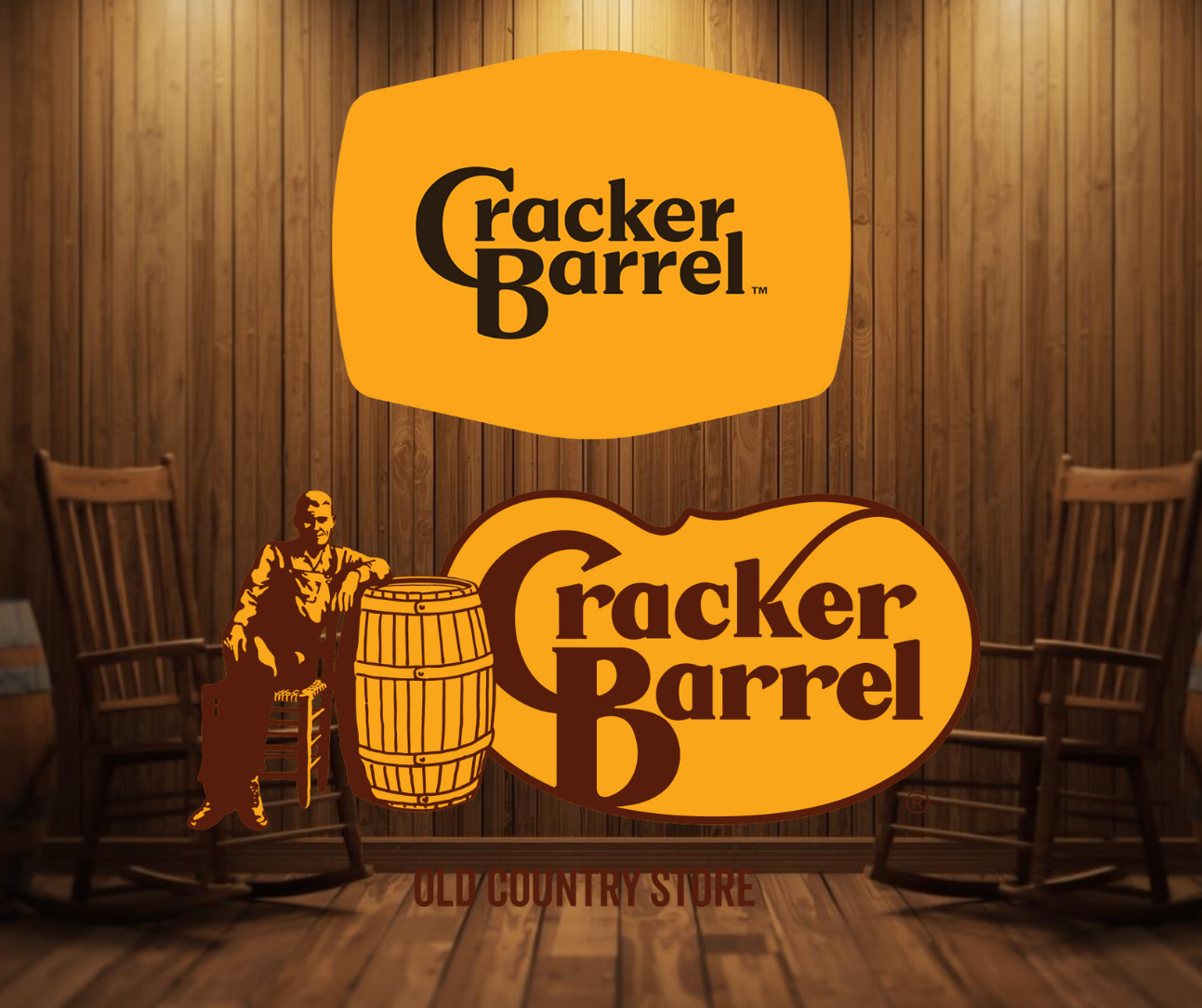
The recent Cracker Barrel fiasco was a good case in point. I suspect they asked a bunch of focus groups what they thought, and decided that the oldie style illustration and typeface didn't appeal to Gen Z as much as it did their grandparents. So they modernized the typeface a little and got rid of the barrel and got rid of the cracker.
Jaguar made the same mistake when they changed their look from an old, rich British man's car to soft, gentle, feminine protection product. Lost the traditional serif typeface for some rounded sans-serif that you might choose to make a suppository brand seem a little less intrusive. In both cases, the design team, and I'm not blaming the young here by the way, this was a young-focused perspective that had to get approved all the way up the chain, they didn't focus on the consumer and what the consumer expected from the brand.
Musicians, screenwriters, and directors will tell you when you're making art, you make the thing you want for a long time, but at some point you release it out into the world, and then it belongs to all of us. Musicians hear all the time what their songs mean to people, and sometimes it's not nearly what they intended. Every Breath You Take isn't about love. It's about a stalker. The same is true for a brand. Over time, great brands start to belong to all of us, and it's your job to understand what they mean to us and not fuck that up. Make the strong parts stronger when you can, remove the things that are dated or less and less relevant, but know what your brand is in people's hearts and minds. Don't mess with that.
Ryan Chute: To brand or not to brand. That is the question. After the break, we'll get into some of the crazy messes we've seen and how to clean them up. But first, a word from our sponsors.
Ryan Chute: If the decision is made, then it's time to rebrand. Let's discuss the mistakes to avoid and the best practices to follow.
For me, as you guys were talking, what I was really thinking about was, we have to choose what to keep. We have to choose what to lose, but we also have to choose when to introduce the brand elements that are both operationally possible and right for the timing of the campaigns that they're around.
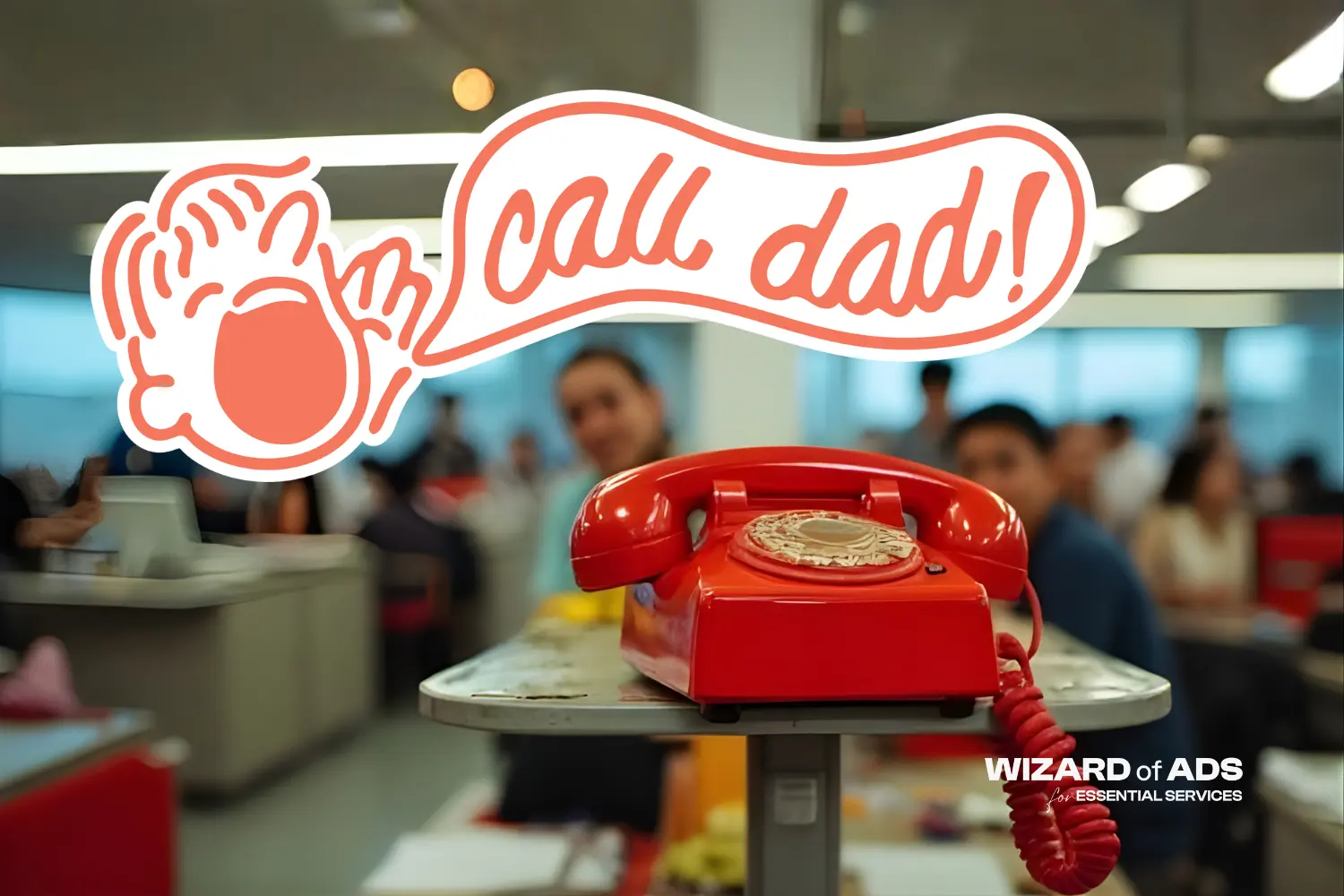
For example, Call Dad was always intended to have the “I'm on my way” tagline, but we couldn't do it in the first year. That didn't happen until year two, when operations and capacity allowed us to be able to say that, and it's a true statement. I see that consistently in some of the same things that you spoke about early on in this episode.
Mick Torbay: And every time you do a rebrand, it's usually about adding something, and we sometimes lose focus on, if you add something by definition, you have to take something out. And I think, very often, businesses are not 100% aware of what it is about their brand that was so appealing to people before. And sometimes, believe it or not, I think the consumers are not aware of what it is about that brand that they like.
Another famous rebrand screw up story is Tropicana Brands Group.
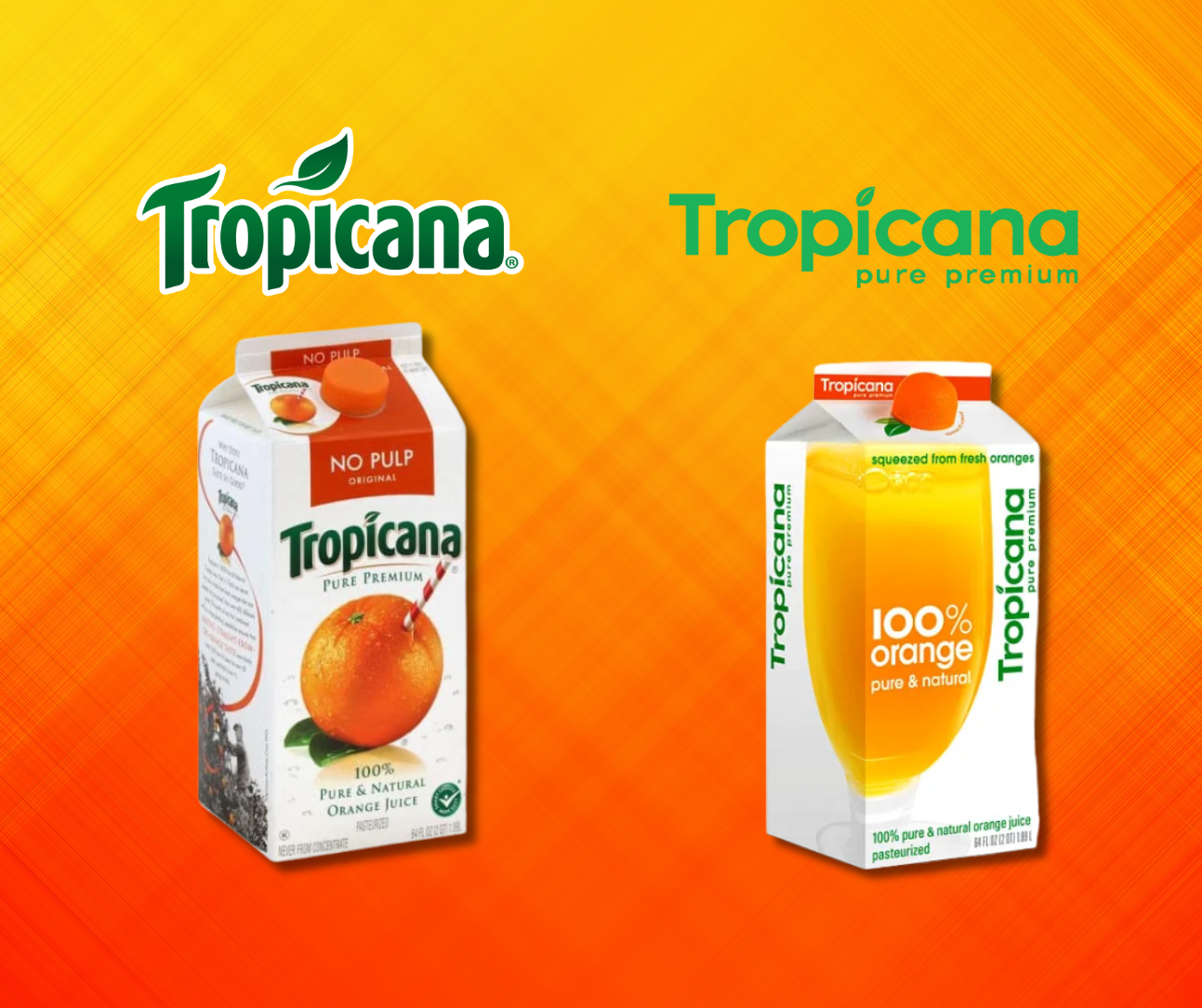
They did this, I think it was about five years ago, where they completely did a rebrand, and they lost the orange with the straw, with a straw sticking into it. I'm sure it was a focus group. It's a huge company. I'm sure they focus-grouped the living heck out of it.
Chris Torbay: We've been seeing that for years.
Mick Torbay: And I'm sure people said, “What do you think of this new Tropicana thing?” And I'm sure they said, “Yeah, it's great.” And it is. It was an excellent design. But what the consumers didn't realize is that without that orange with the straw in it, they didn't actually know where the Tropicana was. People would literally come up to the staff in the store and say, “Where's the Tropicana? I want to buy Tropicana, and you guys don't have any.” And it's no, it's right there. It says fucking Tropicana on it in giant block letters. But they weren't looking for that. They were looking for the orange with the straw. So sometimes, even the consumers, I don't think, aren’t a hundred percent aware of what is integral to the brand, but it might not have come up at a focus group.
Ryan Chute: And there's a lot of programming that goes into this. It's not a matter of plopping up a truck wrap, a mascot or even a typeface. All of the things that we are creating and manifesting, through the auditory channels, and then the visual channels to reinforce it, are all things that are embedding into the brain and getting past that short-term memory, the forgettable memory, into the long-term chemistry.
When you paint the house of the real estate that you're building, you may not recognize the house anymore for what it was because you remembered it to be that other thing, that orange Tropicana logo, that symbol, that thing that was an easy landmark in the mind to refer to when they went looking for the thing that you sell. So you have to be conscious of the branding you have done before. Now, can you rebrand an old company that's 38 years old? Sure.
Chris Torbay: Absolutely. I wonder if some of it is also starting with one of the channels, rather than starting with a strategy. Ask yourself, “Hey, our brand is too dated. What shall we do?”
And do that rather than say, “You know what, let's change the packaging.” What is it that you were trying to solve by changing the package? You've just started doing that, and you touched on this in the introduction. Do you just start with a truck wrap and then try and see if you can make all the rest of your marketing go around your new wrap? What you've done there is you've painted yourself into a corner because you brief your truck wrap guy, he comes up with an idea based on just doing truck wraps, because that's the only thing they do. And then you call us, and we go, “Okay, now we have to create a campaign that works with this new visual that you've set up on your truck wrap. What was the original idea like?”
Can we go back and we have to rebuild a strategy around that, as to what the new brand is trying to achieve? Rather than starting there, saying “Okay, our brand is looking dated. Our brand is not identified with consumers. What shall we do? We could change the marketing.” What is it that's wrong with it? And decide if, and how any or all of those things should be changed.
Ryan Chute: And I think that's where we've seen so many brand fails, even from allegedly “good, high-quality, very high-end branding” agencies, certainly in the home service space, where some of the time they get it right and a whole bunch of the times they get it wrong.
Chris Torbay: And it's mostly because they're just playing. We've had this happen with brands that we've worked on, where somebody changed something about the visual, look at it, and it's okay. If your assignment was just to change the visuals, these visuals are fine. My job is to build a larger story for this entire brand, and I got nothing from this visual. Now, if you had changed it to this, don't you see that I could have taken this and told a larger story,
Ryan Chute: And a comparable story, not just a cute and clever story.
Chris Torbay: And it's half their fault and half not their fault. Their job was just to come up with another logo design.
That's fine if somebody says, “Fix the logo design for Cracker Barrel,” somebody could just try a bunch of things, but what are you trying to achieve, and what do you think you're going to achieve? Are you really trying to get rid of all the people who like the old-style design? Are you really changing your brand from what it was to something that's going to appeal to Gen Z? Because if you are, there's a lot of things you need to change, and are you sure you want to throw out so much of the old in order to get so much of the new?
Mick Torbay: Now you're talking about a brand that's been around for decades and is super powerful. A national brand. Everybody's heard of it. And when you're doing that, I think you have to consider the head and the heart. And when you're doing a rebrand or even a refresh by definition, you're using your head, you're saying what strategic decisions can we make to make some nuts and bolts presumably improvements to make it more effective, to make it more whatever, to make it newer or more contemporary or appeal to a new demographic. But the heart is very different, and the heart doesn't necessarily react in a rational way. And a very famous example of this, and this is not an example of a refresh, but it proves the point about the head and the heart, when back in the 1980s, Pepsi Cola was doing an incredibly good job of scaring the hell out of Coca-Cola.
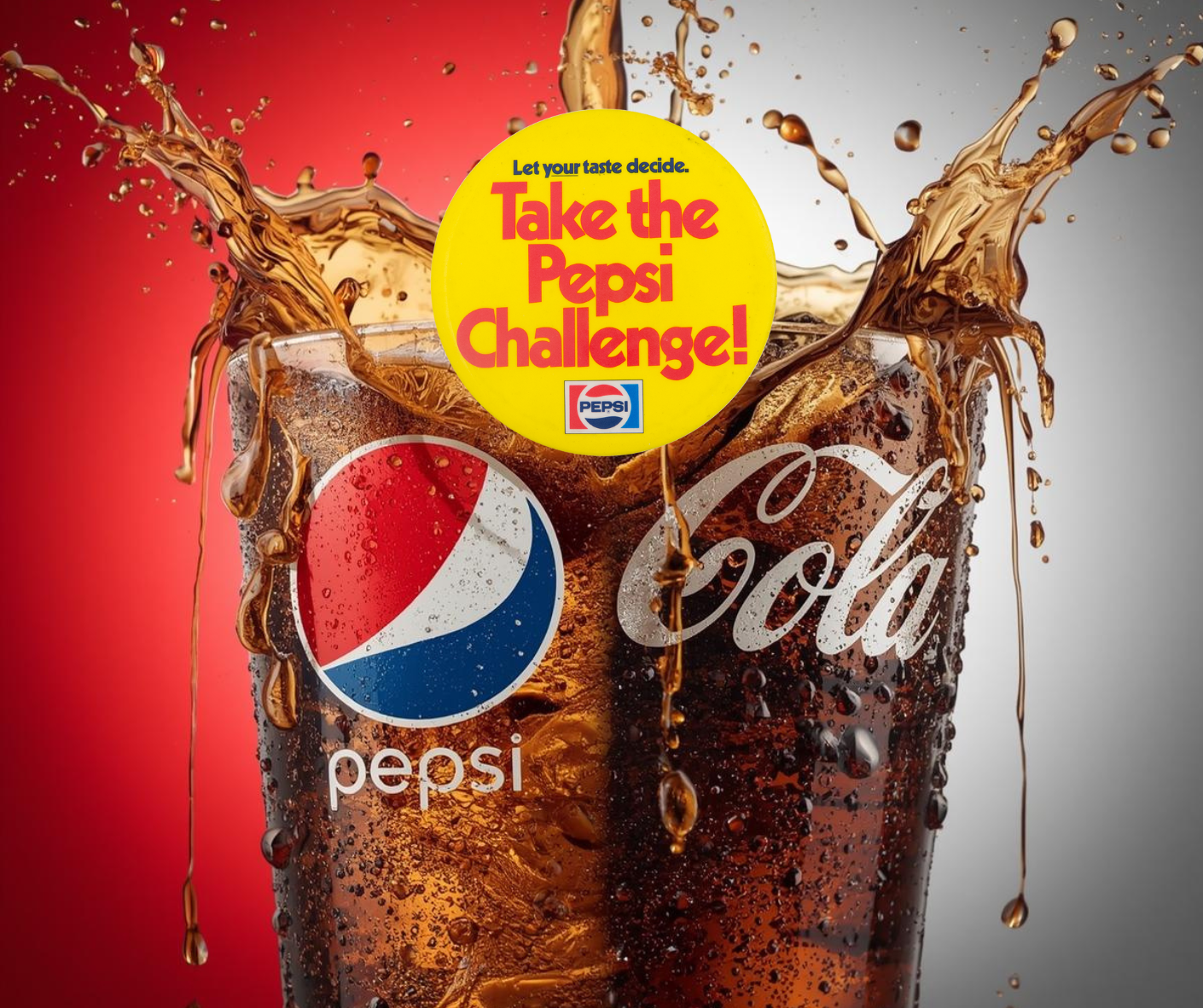
And that's because Pepsi was running this thing called the Pepsi Challenge. They would give people a blind test, taste test, and they put it on TV. But they also would do these at events, they would do the Pepsi Challenge, and they would cover the two things and have say, “try this now, try that. Which one do you like more?” And 8/10 times people would choose Pepsi. And it's like there, see, in a blind taste test, people actually prefer Pepsi, even though it's not the leading brand, and this scared Coca-Cola so much. And they even did their own tests, and they were like, “Goddammit. It's true. If people don't know any better, they actually prefer the taste of Pepsi.” And so it scared them so much. They actually changed the formula of Coca-Cola. They called it the New Taste of Coke, and they researched the living shit out of that. They spent years coming up with a formula that in blind taste tests, people preferred over Pepsi. It was sweeter, and they made a bunch of other decisions, but the point i,s they solved the problem. The Pepsi Challenge would no longer work because this new taste of Coke, in fact, in a blind taste test, would beat Pepsi.
Thank goodness, everything's going to be fine. Right? Wrong.
The head, in a blind taste test, makes the decision. In, but the heart says, “I like, I just, Coke. It's Coke.” You fucked with Coke.
Chris Torbay: How dare you?
Mick Torbay: You can't fuck with Coke. How dare you? It's always tasted like this. It tasted like this 50 years ago. It tasted like this a week ago, and now you changed it, and you took it away. But you like the other one. But my heart says that I’ve lost something.
But you don’t even like it as much as Pepsi.
Chris Torbay: And it's not your brand anymore. It's my brand. I'm the consumer. Stop messing with my thing. You don't have the right to do that.
Mick Torbay: You can't take that away from me.
Chris Torbay: That happens all the time in naming things, too. And I'm trying to think of some good national examples, but where people will change their name because their name is no longer accurate. But there are plenty of companies where even though the name's not strictly accurate now to what it is that the company sells, people still like it.
Mick Torbay: Knott's Berry Farm. It falls into that.
Chris Torbay: Exactly. I mean there was a very famous, in Toronto, there was a very famous record store called Sam The Record Man, and he'd been around for generations. And eventually they were selling CDs and DVDs and all kinds of stuff. They were making much more money. They weren't selling records. But you don't change the name of Sam The Record Man, that just stuck in people's minds. There's lots of brands where if you focus grouped it and said, “Is there a better name than Piggly Wiggly for a supermarket?” Of course there is, there's a much more strategic name out there. There's much more to say, but you know what? Piggly Wiggly. It's goofy. It's weird. Does it make sense? No, but don't take that away.
Mick Torbay: I don't even think the Grand Ole Opry is true to its original name.
Chris Torbay: Exactly. It's where it has just worked its way into people's hearts and minds, and it belongs to them now, and it's their thing, and they identify with it. And it's not yours to mess with because you've decided you want to be more strategic and try to accomplish something scientific.
Mick Torbay: Now you're talking, we're these last few examples have been big national brands at everybody has heard of. In our world, we're generally dealing with smaller companies, smaller brands, and we have to be honest about the fact that in a lot of cases, the brands either have no significant public presence or a very small one. Which means that it is less dangerous to do the things we're talking about. But it doesn't make it any less important to make these strategic decisions.
I'll give you an example of something there. I had a client up here in Canada called Pefferlaw Peat, PEAT, and they sold organic soil. And we ended up doing a rebrand and mostly changing their packaging. Why? Because the packaging said Pefferlaw Peat, and then it would say, “this is three-in-one mix”, or “this is house plant mix”, or “this is garden soil”, or “this is Peat Moss”, or whatever it is.
And we were looking at this thing. The most important thing about this is that it's organic. Organic soil. There are incredible amounts of work that you have to do to actually sell your soil, as organic. You can't add this, you can't add that. It can't be anywhere near this, it has to be tested. It has to be approved, it has to go through all to jump all through all these hoops, and it said organic soil in the tiniest typeface on the thing, and we were like, no. It needs to say organic in huge letters along the top, white on black, so that from across the store you can see organic on the top.
And then we changed the name from Pefferlaw Peat. It was made in the town of Pefferlaw, which no one's ever heard of, and we changed the name to Delicious Dirt. Which has alliteration, and also it forces you to rethink something because delicious and dirt do not go together well.
Chris Torbay: And interestingly, the opposite of Sam The Record Man, but crucially, because it didn't have a huge brand. They originally called Peat, and it sounds like they were all kinds of soils. So dirt is more true to what they're offering has evolved into. And to give credit to the branding that we used to do, when you find that your business has actually changed from where you were, you've got to ask yourself, “Am I steering people the wrong way with my old identity?”
And this is what happened with All Drain, which is, if you just stuck with that, it's going to be very hard to sell air conditioners because now you're steering people the wrong way. So that's when you make a conscious decision.
Mick Torbay: But yeah, you do it when you have to.
Chris Torbay: When you're going to find yourself handicapping yourself by some brand elements that are holdovers from the past.
Ryan Chute: Another company that we saw that transition in was Morro Mechanical. Now, Mechanical is a pretty confusing name.
Mick Torbay: That's industry jargon for HVAC.
Ryan Chute: HVAC. Yeah. And it felt commercial. Is it cars? Is it home? Is it like, who knew? And ultimately, we ran a campaign using their name for an entire year. It was almost a year and a half, and they came to us and said, “We are getting so many people calling us Amazing Morrow,” because that was the core brandable chunk in our advertising, that we changed the name to Amazing Morrow. We did a brand refresh using the same logo, using the same mascot, and then refreshing that brand to a little bit more modernized colorings, keeping the same color scheme in general. And then Amazing Morrow instead of Moro Mechanical.
Chris Torbay: So you're keeping elements, Morrow is going to be a holdover from people who've used you for the last couple of decades, or whose dad used this client or whatever.
Mick Torbay: But that just goes to show another thing that I've ranted about several times, which is you actually don't get to decide what people call your company. The consumer does. Yes.
Ryan Chute: Nobody calls it Federal Express. They call it FedEx.
Mick Torbay: They were calling it FedEx before they finally gave in. FedEx changed their name.
Chris Torbay: FedEx finally said, “You know what? Let's stop getting around it. I guess we're FedEx.”
Mick Torbay: Yes. It's like you don't get to choose your own nickname. Your buddies choose your nickname. It's exactly the same with consumers. And so when you've got yourself a company called Galling in Henderson and Worthington and Armstrong, and it's like nobody says that. They just say Galling. It's just give up. Just call it Galling. Just embrace what the consumers need.
Chris Torbay: It's funny, and every law firm has done that. Now, all these law firms that used to be “Somebody, Somebody and Somebody.” Everyone's just naming themselves that first name because that's what everybody in the business was doing.
Mick Torbay: You can fight it, but you can fight it at your peril. The consumer ultimately makes that decision, and consumers will always shorten it and make it easier.
Ryan Chute: And in a recent conversation with a law firm, they chose to just put the three initials of the owners. As the law firm, and I said that's infinitely worse than just using one of the names.
Mick Torbay: GHP is not a good name either.
Chris Torbay: Again, there's a few of those that work. It works for KFC because of the millions of dollars they put behind it, and they also did it because Kentucky Fried Chicken decided that perhaps they'd like to be known for being more than just from Kentucky, and fried is a kind of a bad word in food, and they wanted to make more than just chicken.
So all three words were bad, so let's call ourselves KFC. But they also put millions and millions of dollars worth of advertising where they call themselves K-F-C, K-F-C, K-F-C. Then that can become a handle that sticks in people's minds. For a small firm, becoming yet another three-letter something in the world. Boy, that's tough sailing.
Ryan Chute: Other failures that I've seen, we had a client that had three letters as the initials of the owner, and the three letters meant absolutely nothing to anybody. So we made fun of that for the very, very strategic intent of being able to have the people remember these three unrelated random letters. That worked famously well for getting attention and having people pay attention to the brand. They chose to part ways with us and recognize that about seven months later, that was a crazy bad mistake because they made the letters mean something, and it was astoundingly boring, astoundingly superficial that anybody could have said. And on top of that, their agency of choice decided to completely steal a logo, a trademarked logo, and repurpose it to their vehicles, which puts them into a massive risk of getting sued. So it's not just about taking the easy path, the obvious path, the path that seems like everyone would get it.
The fact that we had three random letters that we could randomly say anything about that added humor, levity, and like ability to the mix, was actually an infinitely more powerful strategy than making it a generic blob and then having an allegedly legitimate agency rip off logos from trademark companies.
Mick Torbay: It's frightfully easy to get this wrong, and the fact that they came to one group and said fix this problem. Then soon after tried it again. It's if there's one thing that's worse than a rebrand, it's rebranding and then rebranding again immediately. Oh my God, no one's going to know who you are and what you stand for and why you matter if you're constantly changing your mind, what that is.
Ryan Chute: And it is a self-inflicted wound, and there's an important lesson to be learned, and not constantly changing. If you have to change marketing agencies that have a track record of success over and over again, tt's not the agency, it's you. Figure yourself out, and you're going to have more success because there's something that's stopping you from having that move forward.
Mick Torbay: And make sure that when you do this, the people you're working for make a change that is authentically you. Because then in a sense, it doesn't really matter what agency you're with. If the brand idea is authentically you, then it should survive an agency change. If it's just the whim of the agency, then that's not a good plan, frankly.
Chris Torbay: And I think you made a good point earlier, which is it's not that you should never do it. If your brand, large or small, does not have much that is out in the zeitgeist, it is not a household name, it is not a thing that people have grown up with or whatever, and it’s just really failing on all cylinders. By all means, try a revolutionary thing.
On the big brand side, Old Spice was an interesting example. It's a brand that had been around forever. And it just had completely fallen off the radar. Nobody was buying it. Even old people weren't buying it anymore. Like, it had really, really declined. So you go crazy, you do the man, Your Man Could Smell Like, you do a comedy where they'd always done hail and hearty old people and the little. exactly. They threw all of that out when a completely different direction.
Why? Because what they had was not hugely valuable. So yes, You take her back to the studs. And so not to tell people to always be afraid of it. Never take it back to the studs.
Mick Torbay: Do it when it’s right.
Chris Torbay: There are times do it when it's right. Honestly, look at yourself and say, “Am I keeping this old thing because I just kinda like it?” If no one in the market really knows, then start with something that's going to be more helpful for you.
Mick Torbay: When we changed Delicious Dirt, nobody said, “Oh, where's Pefferlaw Peat?” Nobody said that. They were like, “Oh, look. Organic soil, you can buy organic soil. If you want an organic garden, you're going to need organic soil. I'm going to buy that soil.”
There's a bag that says organic, and it was bigger than Delicious Dirt. Like it was more important.
Ryan Chute: And that goes back to my original question of can you rebrand a 38-year-old company? When you have no brand, when you have a company, when you have name recognition from the people that you've served, and fundamentally your marketplace
Mick Torbay: And a following, and people who are passionate about following you.
Ryan Chute: So ultimately, I think about our garage door friends in Florida, and they had a super legacy brand, like four and a half for decades. $5 million a year in revenue. They'd never broken that in revenue. They were partially commercial, partially residential and commercial in garage door, and they thought that they had a brand that was worth it.
Everyone thought it was worth keeping. That it was worth it too. They had their phone number and email address too, and their mailing address, so we could tell them, guess what? We have a new name. So that solves that problem. The rest of the city had no idea that they mattered or existed.
Because they never, ever did any marketing. Aside from showing up on Google pay per click or map pack. They were invisible. Why does that matter? Because there's no story to be told with their old name. There's a huge story to be told with a very strategic name that allows them to take a national play if they so choose.
Now they're a +$30 million company, and this was never even in the cards.
Mick Torbay: And they're in several states now too.
Ryan Chute: Because they had the wherewithal of an extraordinary operator in conjunction with a memorable brand that stands you out against all of the noise.
Chris Tobay: That you could build a good story around committed going, they not paying change it next year.
Mick Torbay: They're going to commit to it.
Chris Tobay: And they're not going to try another thing 18 months from now.
Ryan Chute: That's exactly, but that, that, that really does lean into kind of the other part of rebranding. If you plan on putting a truck wrap together and a new type face and some colors, and a mascot and just call it a day. You've done nothing.
Mick Torbay: You’re not changing it for the sake of changing it.
Chris Torbay: You've done a third of the work and you've made the other two thirds a little harder now because it may or may not set you up as well as you think to do the other two thirds.
Ryan Chute: Well, the other two-thirds. It pulls two points for me. And one is, do you create the cover of your book and name the book before you've written the story? Do you write the story and then name it appropriately from the story, and then put pictures that support that story appropriately to that? And are you telling a true story or a false story?
If you're telling a true story about yourself, you're going to be far more compelling in your own unique, entertaining way, but it still holds true. The second is that the people who absolutely obsess about their brand are driving it into their culture because your brand is your culture, and your culture is your brand, for the most successful.
Anyone who's not playing that game is not winning the game at the same level. They just aren't every single one that I've seen that kind of treats their brand like a, just a piece of the puzzle and not the fabric of their soul. These are the people that are not seeing the same.
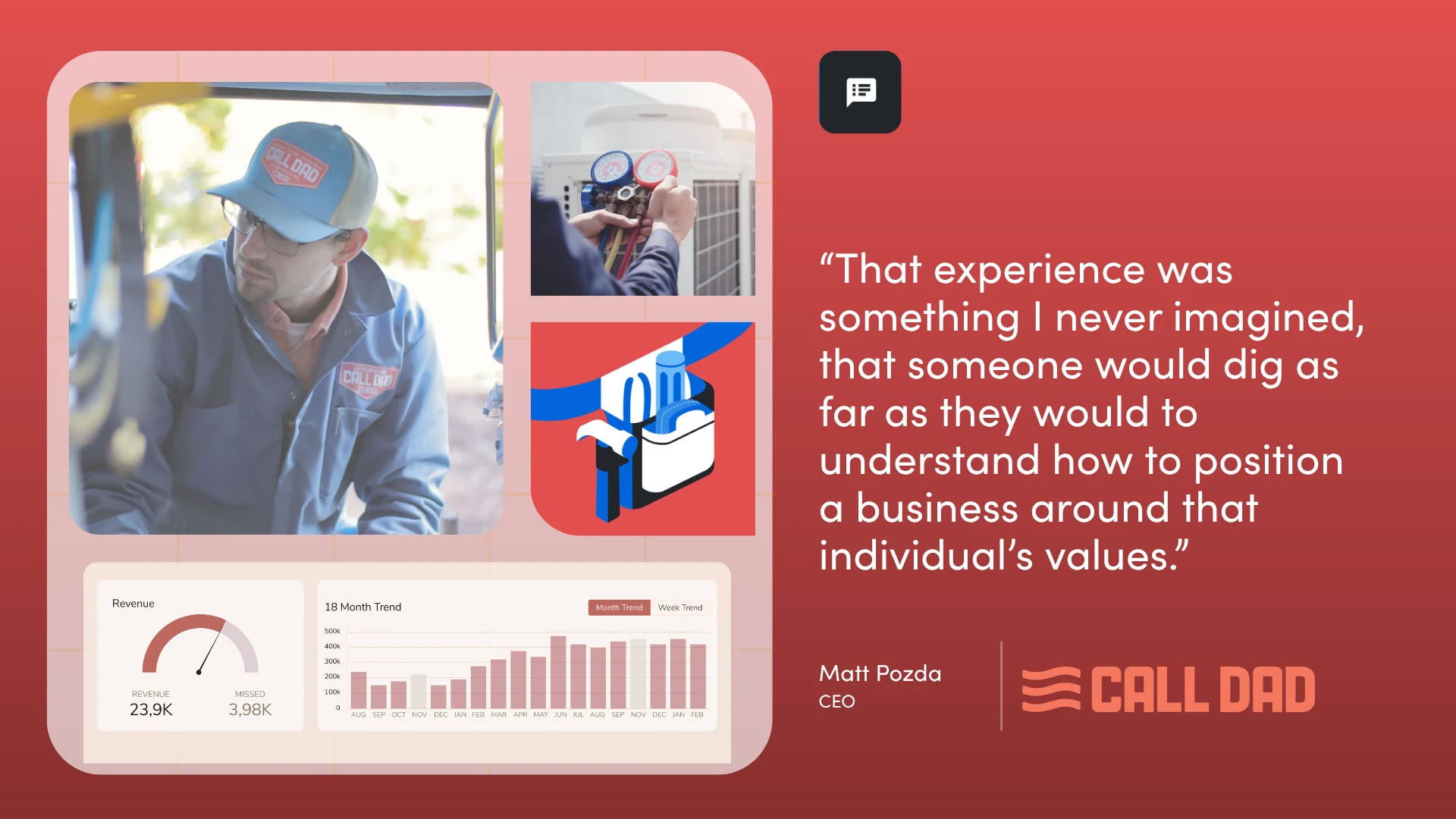
Call Dad is a perfect example of how they live, breathe, eat, sleep, drink, smell, taste, everything is brand. Everything right down to their salmon shirts. Why? Because when you call Dad, and you go, “Dad, hey, nice pink shirt.” What does he say? “It's salmon.” They bought their shirts just so that they could make the classic dad joke that you would get because it's Call Dad. That is branding. That is an obsession in the culture that is unwavering, but it also entertains people until the time that they need what they sell.
What we discovered from that exercise was something bigger than even we anticipated. We knew that people who had that feeling about Dad were going to be very compelled to call Dad because the very first phone call you make when you get, taken to prison is dad. So the same holds true when the water's leaking or the air conditioning goes out. You call the person you trust the most to be able to do the thing that needs to be done. But we started to attract people who had bad relationships with their dad and wished they had somebody like that.
Chris Torbay: This is an opportunity for a good one, right?
Ryan Chute: So the double whammy that we got from this was extraordinary, incredibly touching, but that feeling is what moved this thing forward. And that really comes full circle, too. A brand isn't just a name, but the name has such force, it's so representative of what it is that you're trying to stand for or stand against. And to your point Chris, many times you've told us about the tennis ball story where you take a bucket of tennis balls and chuck them at somebody, they're probably not going to catch any. But if you just took one ball and threw it to them, there's a pretty good chance you're going to catch that ball. And having one big thing is almost counterintuitive to a lot of people in branding.
Mick Torbay: Except that if you want to be remembered by consumers, it's the only way to do it. So I think if you're talking about how to not screw up a rebrand, try and move towards something. Like in my Delicious Dirt example, we went from Pefferlaw Peat, which didn't really stand for much, Delicious Dirt stood for something. It stood for being organic and different. And in Chris's example with KFC, it was absolutely a move away from something and towards nothing at all. What does KFC stand for? It stands for nothing. It was a move away, but not a move towards. Whereas when we changed our client's AC company to Mo Better Garage, that was towards something that mattered and had an attitude, and that was memorable, and it was away from something that could have been confused with another big company that had a similar name. It was a move towards, so if you're going to do this, make sure you're moving towards something. And that going that direction is a smart thing to do.
Ryan Chute: It's multi-strategic. It's the visuals, it's the editorials. It is the campaign able strategy, not just the cute and clever. No one cares about the toucan on the side of your truck. But when you now, instead of having a ridiculous toucan, which isn't even local to the area, turn it into Captain Kool and Captain Kool is the guy who's coming to get you cool. And we are able to capture a brand name that is one of the most prolific, familiar names from our past, well we're winning on multiple fronts here in getting the brand right. And all of these things have to be taken into consideration at once and put in the right order.
Ryan Chute: A rebrand isn't a magic wand, it's a scalpel. Wield it carefully, and you can carve out something sharper, stronger, and more aligned with your future. Wield it recklessly, and you'll bleed out what little goodwill you had left. Don't start with logos, colors, mascots, or clever taglines, and certainly don't start out with a name.
Start with clarity. Ask, what do I stand for? What do I stand against, and how can I say something that no one else could possibly claim? If your current brand is still serving those answers, don't touch it. If it doesn't, just fix what's broken, not what's actually still working. The strongest brands are adaptable.
They evolve without losing their core. Their job is to nurture the essence, not smother it under some new truck wrap. As the Hitchhiker's Guide to the Galaxy, clearly states, don't panic and don't forget to bring a towel. In short, don't cock it up. Your true story is your brand. The pictures you use to help tell your story and the title you give the book always follows the story.
Focus on making your brand truer instead of newer. Consumers are smarter than and more forgiving than you fear, as long as you honor what they already love about you. Your brand is about people you serve. Keep them at the center, and you'll never go wrong. Until next time, this is Advertising in America.
Until next time, this is Advertising in America.
Thank you for joining us on Advertising in America. We hope you enjoyed the show and captured a nugget of marketing magic. Wanna hear more? Subscribe, leave a review and share this podcast with your friends. Do you have questions or topics you want us to cover?
Join us on our socials @advertisinginamerica. Want to spend your marketing budget better? Visit us at wizardofads.services to book your free strategy session with Wizard Ryan Chute today. Until next time, keep your ads enchanting and your audience captivated.

Advertising in America
The podcast that turns marketing into magic! Hosted by the brilliant Ryan Chute and the ever-entertaining Michael Torbay & Chris Torbay, this show dives deep into the world of American advertising, revealing the secrets behind the most successful campaigns and exploring the latest trends.
Share this:

%20(1).webp)
.webp)
.webp)
.webp)

.webp)



Nothing to see here!
Nothing to see here!