Somewhere in the back of your operation, there's supposed to be a machine.
You plug it in. It hums. Out come the customers, like a gumball machine, but for people who need a new water heater.
That machine doesn't exist.
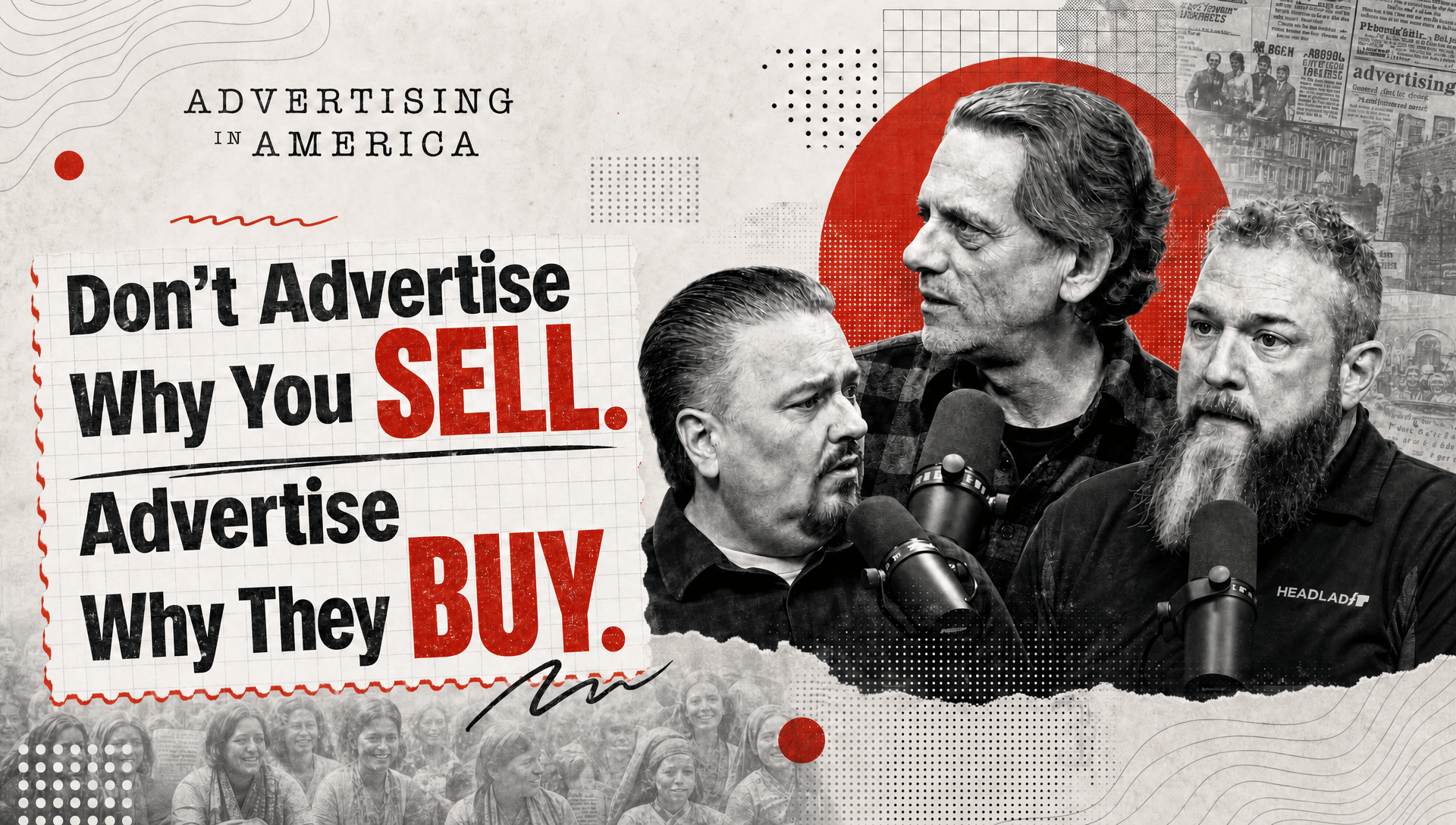
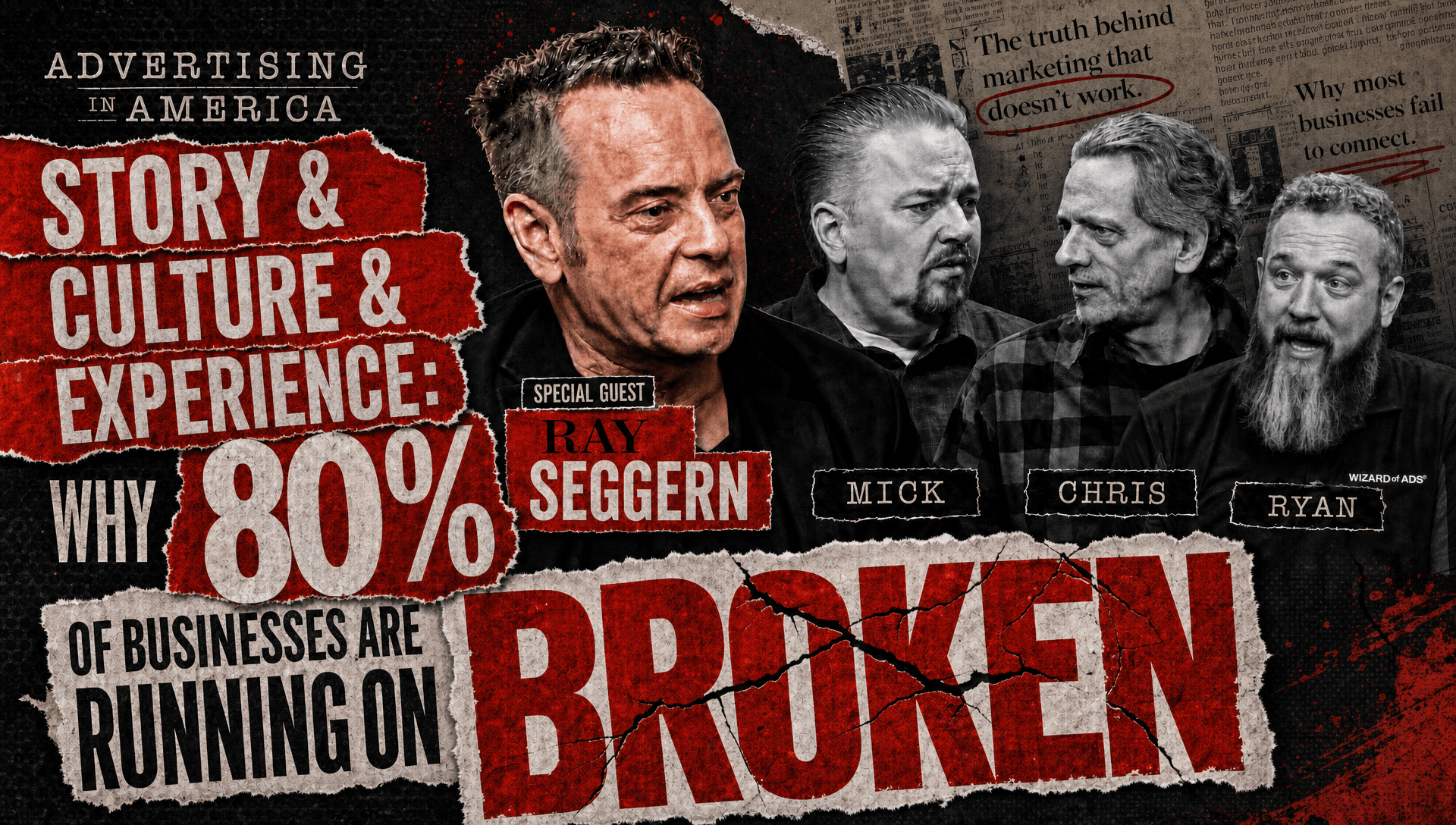
In Episode 36 of Advertising in America, Ryan Chute, Chris Torbay, and Mick Torbay take apart one of the most expensive myths in modern marketing: that leads can be generated on demand. They can't. The weather makes the lead. The broken furnace makes the lead. Your only job, the only thing advertising has ever been able to do, is make sure it's your name they reach for when it happens.
From grudge purchases versus identity purchases, to the 95/5 rule, to why Google's Zero Moment of Truth is actually the last moment of truth, this episode hands essential home service operators a clear framework for understanding where their marketing dollars actually go and what they're actually buying.
Episode Highlights:
- The Gumball Machine Fantasy: Why "lead generation" is a myth and why your vendors profit from you believing it
- Grudge Purchase vs. Identity Purchase: Why furnaces aren't yoga pants, and why that changes your entire advertising strategy
- The 95/5 Rule: At any given moment, only about 5% of your market is actually shopping. Who's getting them?
- Lead Capture vs. Lead Generation: The four thresholds every customer crosses before they pick up the phone
- What Lead Gen Actually Is: Brand building, sales activation, and 30 years of Binet & Field data
- Google's Hallway Problem: Why all the doors look the same, and what makes yours different
- The Zero Moment of Truth Myth: Why Google took credit for work your brand already did
- Pay-Per-Click Equity: Spoiler: it doesn't exist. Here's where yours is actually going.
🎧 If your phone rings when the furnace dies, you didn't generate that lead. You captured it. This episode shows you how to make sure it's always your name they reach for before the cold snaps, not after.
👉 Are you building a brand, or just renting space in a hallway where all the doors look the same?
On this episode of Advertising in America, we're talking about lead generation versus lead capture.
I don't think there's any such thing as lead generation, and deep down, I don't think clients do either. But the problem is they use this grammatically incorrect term so often their brains actually start to think it's a real thing.
Lead generation suggests you can generate a lead, make someone who is not interested in your product or service. That doesn't happen.
It's possible I'm going to get myself in trouble here, if only due to differences in terminology. Ferrari can generate leads. They can take someone who doesn't want a Ferrari, put them in a Ferrari on a racetrack, and now you've just generated a lead in the form of a guy who wants to buy a Ferrari.
If you're in the air conditioning business, lead generation is going around a neighborhood and smashing up all the air conditioners with a sledgehammer. Congratulations. You just put all of those homeowners in the market for a new AC. That's lead generation.
Ryan Chute: And out of the gate, I got a problem, because those sound like the same thing, wearing two different hats, like couch and sofa, or pop and soda. Like my wife saying, "I'm fine," and my wife saying, "I'm fine."
See, I always figured lead generation was a machine somewhere in the back where you plug it in, it hums a little, and out come the customers, like a gumball machine, but for people who need to sell water heaters. Turns out one of these things is real, and one of them is mostly a fella in a trench coat trying to sell you something, and I've apparently been buying the wrong ones for years and feeling pretty good about it. Chris says he can sort it out. Chris says a lot of things, though... What you got?
Chris Torbay: I don't think there's any such thing as lead generation, and deep down, I don't think clients do either. But the problem is, they use this grammatically incorrect term so often, their brains actually start to think it's a real thing. And like Big Brother in 1984, I'm here to take this word out of your vocabulary so you no longer have those thoughts. Sorry, there is one 20th century literature scholar out there who understood that reference, and they totally appreciate it. I thank you for listening, ma'am.
Lead generation suggests you can generate a lead, make someone who is not interested in your product or service interested in your product or service.
In almost every category and almost every scenario, that doesn't happen. If someone doesn't want to buy something, good advertising can't make them buy it, even from you, even with a good ad. Advertising can make you the brand they instinctively go to when they want that thing, but you can't make them want it.
Jewelry stores need to know that the thing that generates leads in the engagement ring business isn't advertising; it's falling in love. Advertise all you want, but until someone finds themselves so much in love that they want to get married, you're gonna have a hard time selling the rings until they become a lead.
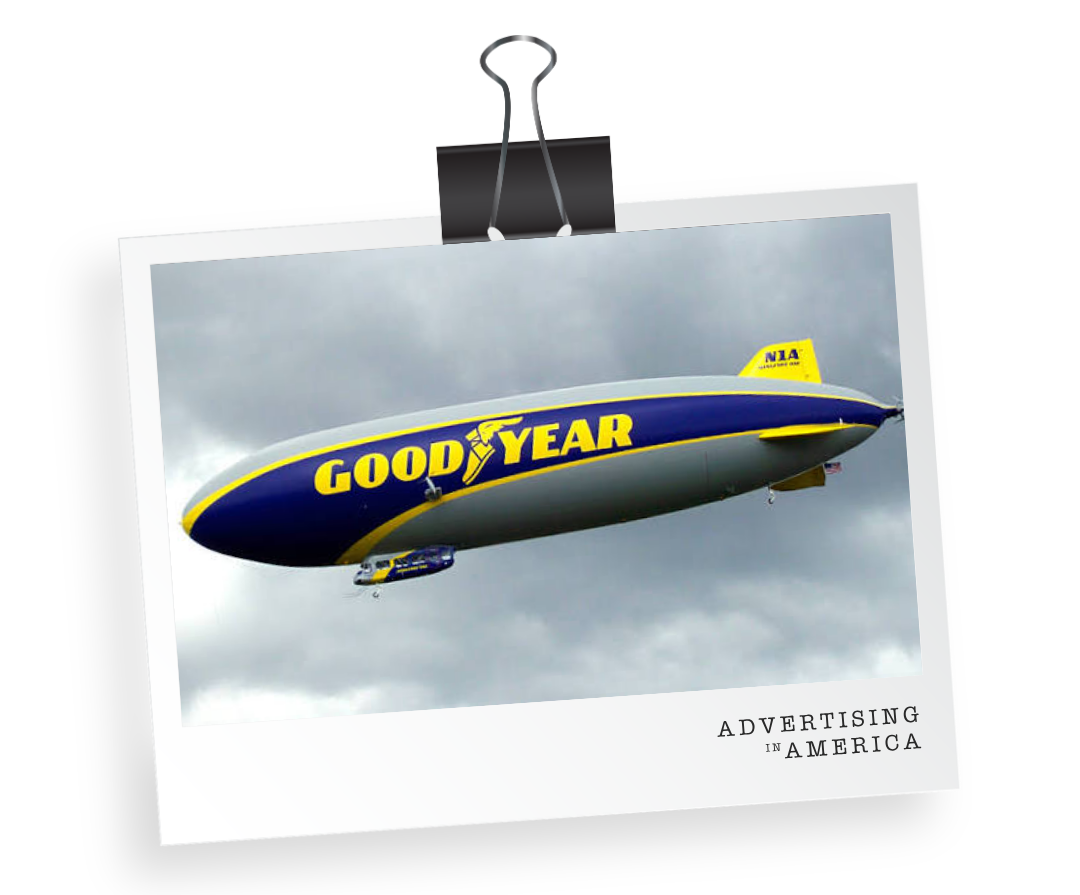
Home services companies need to know that the thing that generates leads in the air conditioner business isn't advertising; it's hot weather. Advertise all you want, but until it gets hot, people won't budge on a new air conditioner. I wrote commercials for a Goodyear dealer up in Canada a few years back, a client of Mick’s actually, and every fall, she'd ask for ads encouraging people to come and get their snow tires on before the big rush in November. Crickets every year. First snowfall comes, suddenly everyone in town was ringing her phone off the hook to get their snow tires. Advertise all you want; you cannot generate the lead. Now, what advertising can do is make you the one who gets that lead when it generates itself. When everyone scrambled to get their snow tires on the day after that first snowfall, all that advertising made her get the most calls.
My job isn't lead generation; it's lead attraction. Thanks to my work, there are brands that will now attract a person when they become a lead, or probably before they're a lead, but you don't get to enjoy it until they finally become one. There is a beer that you would like right now if you were ready for a beer. There is a sports car that you would buy right now if you suddenly had the cash to blow on a sports car and had your wife's permission. There is a toothpaste or a snack food or a fabric softener that you would totally put in your cart right now, but only if that need had arisen, not before. There are exceptions, but they only prove the rule.
A couple of episodes back, I was the guy who brought in that wacky little credit card thingy that turns into a cell phone tripod. I saw the ads for that, and I had to have one. They generated a lead out of thin air. Never happens. Proves my point. Be the brand that takes up a position in people's minds before they need what you sell. Make them like you. Make them remember you. Get them to remember how to find you in the future, and one day when they become a lead, that lead will come to you.
Ryan Chute: Lead attraction. I like that. Sounds a whole lot better than what my dating years ran on, mostly lead avoidance. Chris, you brought up the snow tire lady. That's Mick's client. So either Mick's about to back up the whole story, or we're fixing to learn these two share clients the way that my kids share the one French fry, badly and with violence. Mick, same question. What you got?
Mick Torbay: It's possible I'm going to get myself in trouble here, if only due to differences in terminology.
And on this program, we have two marketing guys, advertising guys, really, and we have a sales expert. And we sometimes use the same words or phrases that mean different things in our respective worlds, and we each think we're right. So I'll define it my way, and these other idiots can say stuff that's wrong.
From my perspective, lead gen, lead generation, is a misnomer. It suggests a lead can be generated, like electricity. There's no lead; nobody wants to buy what you sell. I turn this handle; now there's a lead. Somebody wants to buy what you sell. That's horseshit, if you'll pardon my equestrian reference.
What sort of business are you in? Most people watching this program are providing products and services to families and homeowners across America, and for the most part, the things they want to buy, the things you sell, are not things they actually really want to buy. Air conditioners, roofs, water heaters. Grudge purchases. Let's not confuse that with a flashy new shirt or a Ferrari. Ferrari can generate leads. They can take someone who doesn't want a Ferrari, put them in a Ferrari on a racetrack, and now you've just generated a lead in the form of a guy who wants to buy a Ferrari.

If you're in the air conditioning business, lead generation is going around a neighborhood and smashing up all the air conditioners with a sledgehammer.
Congratulations, you just put all of those homeowners in the market for a new AC. That's lead generation. It's noisy, and it's illegal, but it's totally achievable if you're that kind of business owner. If you're not prepared to do that, then let's talk about something that's actually possible: lead capture.
That's acknowledging that there are a certain number of people in the market right now. It varies with seasonality and local weather and market conditions, but for the most part, you really can't change that number. However, you can capture them. That's what advertising can do. Convert someone from "I want to buy something, to "I want to buy something from you."
But remember, they already wanted to buy something. Create a powerful ad campaign that makes consumers remember you, like you, feel good about you, and think of you first, and then when they find themselves in the market, they become really easy to capture. Hell, they might even fall into your lap. Ryan could teach you how to reel them in. But reeling is easier when you're already inclined to jump into the boat. Anyone who says they're going to generate leads, I'd make sure you're talking about the same things. Is this guy a thug with a sledgehammer? Okay, that might work. If he's not, make sure you define your terms. One of these plans has a clear path to making you money.
The other could be a load of horseshit.
Ryan Chute: Mick says I could teach you how to reel them in. That's about the nicest thing he's ever said to me, and he said it directly between a story about smashing air conditioners with a sledgehammer and the word horseshit. Thanks, Mick. Compliment, felony, compliment? We'll be right back.
Ryan Chute: We're back. So both fellas coming in from two different doors just told you the exact same thing. You cannot generate a lead. You can only get good enough that the lead picks you, which means the whole ballgame is what's happening way before anyone gets shopping. Let's pull that apart.
Mick Torbay: So two marketing guys using sales terminology. Are we getting ourselves in trouble here? Like, how close we were, how close were we?
Ryan Chute: The thing is that it's not really sales terminology if we go back to Binet and Field. Binet is talking about brand-building, and we have digital marketers who are talking about lead generation, and that's really what's confusing today. Most people think lead gen, brand-building- you gotta do one or the other. You could maybe do a little, and if I do a truck wrap, I've got my brand done and a little bit of community work. No, that's just not how it works, right?
Lead gen is the brand-building and sales activation stuff that Binet and Field talk about, and then it's the lead capture stuff that we start getting into when we talk about the infrastructure, the nuts and bolts of what it is that we're actually creating a presence with both online and offline. There are really only four thresholds. Two of them are on, two of them are off. Phones, SMS, text messages, then emails and form fills. Those are the only ways that people can contact you or step over the threshold, as it were, to get into lead capture mode. Everything else is that door. I think of it like The Matrix. You remember the scene where he passes out of the Oracle's apartment building, and he walks into this hallway of white, both directions, and it's doors in front of him. Just nothing but doors, right? But all the doors look exactly the same.
And that's Google. When you walk up, and you look like everyone else, what's the discerning factor? Maybe there's a ding on the door, a little one; one of the doorknobs is brass. That's not enough to
Mick Torbay: make a decision ...
Ryan Chute: <ake a good decision. That's not branding.
Mick Torbay: I kinda look at the w-y people sell lead gen; at the risk of getting very meta here, calling it lead gen is an excellent marketing example.
Chris Torbay: It sounds very attractive, yes. Can you do that for me?
Mick Torbay: ... for a sales tool. Yes, in a sense, what they've done is they have found the felt need. I look at the title or the name Lead Gen as an example of a good marketing way of selling a sales tool. They found the felt need. What the business owner wants is leads, targeted leads. Good leads. The Glengarry leads. So if I say, "I will give you qualified leads," that business owner's "That's exactly the fuck what I want. How much money can I throw at you to give me that?"
And is anybody saying, “No, that's not a thing"? I literally get emails weekly saying, "I run a lead company," and your LinkedIn profile will tell people that I'm a copywriter, and I write commercial. They're like, "So you're looking for clients? We can deliver 100 qualified leads a week for this much money." It's like, okay, I work with owner-operated businesses between $5 million and $200 million. I'm basically operating to capacity now. I'm not taking on new clients at the moment. You can't do that. Fuck you. There are no 100 leads that are what I'm looking for available. I don't care who you are; you cannot deliver that. And yet that's exactly what they're promising. If I were in a position where I really desperately wanted the phone to ring, I would find that very attractive.
Chris Torbay: But the problem is it is the semantics of the word. Like, all the things you just said, that's lead delivery. That's lead sniffing out. That's lead stealing leads from other people and giving them to you. The problem is, at some point, one of these sales companies used the word generation, and it makes it sound like we can make you a lead. It's like, no, we can borrow the lead that was gonna go somewhere else, or we can find where the leads- steal ones from somebody else, or are looking around on their own- and we can point them to you. But what we can't do is generate them.
And then the problem is clients suddenly do take the word generation literally. And if it's the beginning of summer, and it hasn't gotten hot yet, and they got a bunch of air conditioning installers sitting around with nothing to do, they come to us and say, "Can you generate some leads?" You cannot generate some leads. You gotta wait until it gets hot, and those leads are out there, and we can swipe them.
Mick Torbay: But if you could, you wouldn't have to do all the bullshit we do. If you could just make the phone ring, like, building a brand is hard. It takes time, and it's expensive. If you could skip that and go straight to just the phone rings because you generated a lead, why the hell wouldn't you do that?
Ryan Chute: The truth of it is, and I'll go back to the Binet and Field study that ran over 30 years of data, and what we're talking about is sales activation. You've got a generally desirable thing that you can provide a solution for a customer, i.e. make your brand better, and could we capture those leads? We can. The job is prospecting. Prospecting is sales activation. Sales activation is not infrastructure. That is a canvassing effort. That is a digital or offline canvassing effort, from knocking doors, phoning people, doing whatever you need to do to get them to say, "Oh, yeah, I'll talk to that guy." And there's always a guy that's gonna talk to the guy, but it, now we're talking; it's super transactional. Now we've got a transaction in place for x equals y gets me z.
Ultimately, the person's looking at that and going, "Show me what you got," and we're in transaction mode. So did we win, or did we just overpay a guy who's gonna want 5 or 10% of whatever that lead creates for revenue? Which now deletes all of your profit. Why would we do all of these things? Why wouldn't we look for the more economical way and appreciate that things that work fast rarely work well, and don't often work long? So we struggle with this.
I'm gonna go back to what you said about who came up with this. This was not a marketing guy. This was a marketing guy, but it was the sales guy in the marketing department who's like I know what to do."
Mick Torbay: We can create customers out of thin air. We marketing people love that guy. Yeah, he's our favorite guy.
Ryan Chute: Because he got you a sale. And he brings you the big check, and now you gotta deliver this absolutely astoundingly unreasonable thing to deliver. And I frankly feel sorry for digital marketers today who, who are stuck in this loop of lies that came from some overzealous salesperson one day who decided that we're gonna call it generation, not capture, because that's sexier.
Mick Torbay: And attractive.
Chris Torbay: And it sounds like you're doing a more magical thing. I'm creating customers. I'm taking people who hadn't even thought of it, and I'm making them go, "You know what I need? I need what that guy sells."
Ryan Chute: Look, we all agree that there is the internally triggered identity purchase, and then there is the externally triggered grudge purchase. There is a dramatic difference between selling Lululemon pants and furnaces. And the truth is that you're just not going to inspire people's identity to feel like they have to buy that furnace from you because it's gonna make them look better to the world.
Chris Torbay: I'll be that kind of person who has a J2000 model.
Ryan Chute: Come back here, guys, I need you to see this. Open the closet and reveal this furnace. It's just not the same kind of impact.
Mick Torbay: Whereas when you wear those Lululemon pants, Ryan, I mean-
Ryan Chute: Damn ... oh, gosh.
Mick Torbay: Yeah.
Ryan Chute: They make my ass look fabulous.
Mick Torbay: They do.
Ryan Chute: And this, that in itself generates leads.
Mick Torbay: Sorry, ladies, he’s married.
Ryan Chute: I'm married. You can't have me.
This is exactly it, though, if it's an under $200 purchase, the path from attention to acquisition is shockingly high. You're selling a 5,000, $10,000 furnace solution; that's a different world. One, they came in negative. Two, they wanna be as transactional as heck because you haven't given them any reason to be relational. And now we're saying, “Did you generate that lead?" No. The broken furnace generated the lead. You didn't do anything. What you did was capture it, and you either captured it because they know and trust you ahead of time, or you got lucky, and they picked your number on the roulette table. Congratulations that you won a round, with all those pay-per-click dollars that you're putting out in the chips.
Chris Torbay: One of them happened to land.
Ryan Chute: But it didn't go back to the house, because most of them are just being scooped in by the dealer, right? Into that little hole that just keeps making chips disappear. This is the challenge that people are dealing with. Look, the cost of capturing a lead is astronomical today.
Almost to the point of being impossible to leverage the profitability that you should be able to leverage because there comes this tipping point with the client that says, "Guys- we've had enough, right? We can't sustain your 20-point margin net profit. We can't afford that.”
And as I travelled around the world, I saw this. There are many countries that are heavily regulated, including the car industry, that say no. The car dealers make no money. Good- you are not making money anymore because we have put a stop to all of this horse-and-pony Wild West kinda show."
So that's a reckoning, right? The AI search is a reckoning. Pricing online and transparent is a reckoning that home services are going to have to face, as automotive spaces are continuing to bob and weave right now. So where is the win going to come from for customers, our customers, the clients that are trying to stay within a reasonable marketing budget?
Because we've seen marketing budgets creeping up every year just to hold the line, and then you throw uncertainty and the cost of living on top of that and things get pretty dicey for these clients that, that are operators that are trying to make a buck and provide and make sure they pay payroll. So knowing the difference is just an astoundingly important thing. And it leads us to our second point here. You can't make somebody want a furnace. You can only be the first in line when they do if you do a good job. So back to this Binet & Field. Lead, sales activation, brand building, lead capture: one of the four ways: online, offline, Val-Pak, pay-per-click. There are all kinds of places where you can present a door to walk through, and there are four ways that you can walk through that door. Whether you're online or offline, there are two. So it's not as complicated as it needs to be.
The question is, where can we best put our money to capture the leads at the lowest price, and how much can we invest in the brand building and sales activation side on the other side of the budget that says “here's where my split on messaging should go"?
Mick Torbay: Assuming that there was such a thing as lead generation, where would outbounding or cold calling fall in? Would that sneak up to that-
Ryan Chute: That's sales activation.
Mick Torbay: Cause it seems like lead activation, or it seems like lead generation in the sense that, "Hey, no one's calling. Fuck you, I'll call them and see if I can't get it.”
Ryan Chute: It's like walking up to a door and saying, "Hey, open this door."
Mick Torbay: Ding-dong, I brought a door.
Ryan Chute: I brought a door.
Chris Torbay: And people wouldn't think of certain things. They would think of replacing their furnace when it breaks down, but they wouldn't think of every fall I should have it tuned up and make sure it's gonna make it through the winter. So then if you do an outbound call and you say, "Hey, would you like us to come and do a fall tune-up on your furnace?" You might go, "Oh, okay. Yeah, no, I see how that could make sense." And now you've been introduced to the idea of getting a tune-up, and so you have generated a lead for a tune-up that wouldn't have been there otherwise. You’re inherently in the consumer's mind because they don't think that way about their equipment.
Ryan Chute: And but again, that, so lead generation, brand building, sales activation- what Binet and Field studied for 30 years- that's your real lead gen.
What we know as lead gen is not real. So our shocking statement of lead gen isn't a real thing, no, the thing you think is lead gen is not lead gen. It's a pet rock. And what lead gen actually is is a cute little puppy and unicorns and, you know, rainbows and sunshine. The truth of it is it's bui- brand building; it's sales activation. Prospecting, canvassing, heck, you could go knock on their door. You could leave a business card.
Chris Torbay: But again, even that stuff, even that stuff which is generating a lead where it wouldn't have come to the consumer's mind to do that, still only is possible because you have built the brand in the first place.
If you get someone to go to Lululemon because they know they need yoga pants, and so they're gonna go to Lululemon because they're the leading brand for that, and then they get there, and you say, "Hey, how about a pair of socks?" That's a generation of a lead on a pair of socks that wasn't there. But again, the whole thing only works because you've created the brand of Lululemon. This is the one with the yoga pants that everybody's talking about, so maybe everybody's gonna be impressed when I have the socks as well.
Ryan Chute: And what we're getting into now is as if it were a linear process. And the truth of it is that it's not a linear process. It's a relational process. Yeah. So lead generation lives in the big bubble. Lead capture lives in the little buttle- bubble inside the big bubble. So this doesn't happen without that. Once you've got them in, you're just doing a cycle of sales activation. Sales activation. You're producing and presenting more opportunity, and that comes from trust, which comes from brand building.
Chris Torbay: Which comes from the relational relationship that you built.
Mick Torbay: I brought up outbounding and cold calling for two reasons. One for that reason is that if you're outbounding or you're cold calling, but you're calling from a company that I've heard of, you are so much farther ahead in getting anywhere. But the other reason why I bring it up, and you might have some data on this to back up my speculation, is that my guess is that the success rate, the close rate of an outbound call or a cold call is probably magnificently low. Shockingly low.
Ryan Chute: The industry standard for cold calling an existing client base is 8%.
Mick Torbay: And also, how about not from my list? How about a block list? "Hey, we're doing work in your area." Like, you're part of my club, or you've done business with me. I'm just calling you up saying, "Hey, we're doing tune-ups, AC tune-ups, and we wanna do one for you." 100%. You've never heard of us. What's the close rate on that?
Ryan Chute: It's under 1%, and it's all proportionate to if you have somebody that's got social proof in proximity to them, a neighbor and they can walk over to Jim's house and say, "Hey, Jim." And the truck's right there ... “How did the guys do?" Yeah. And he's like, "Oh, they're good fellows. You'd like them. You should probably give them a little go there." And then Bob says, "Yeah, okay. Yeah, I'll give you a run here."
Others are just undecided, but it also comes down to, "Hey, we're going around door to door and trying to sell you a $20,000 roof" is a lot different than, "Hey, we're going around and offering a free tune-up." Now, when you look at solar salespeople, roofing salespeople, there's a value proposition there, or there is some sort of fear tactic there. Now, in solar, it's more value proposition. In roofing, it's more like, "Oh, see some damage up there. I'll give you a free estimate on that." And it's always an allusion to a repair that turns into a sale, and then they're gonna play the horse and pony game on whether or not it's insurance or not. So all kinds of interesting ways, different parts of the country, different scenarios. There are ways to generate a lead doing that. That is sales activation.
Mick Torbay: And it's hard, and it's low return. A lot of work. High investment. A lot of work to get an 8% return, and those are that's a best-case scenario you're describing.
Ryan Chute: A door-to-door knocker in an otherwise undamaged neighborhood for roofing isn't going to work; they might see a 2 to 3% on success rate. Just getting a person to open a door is half the challenge. The second one is, of course, them letting you on their roof. Everybody under the sun promotes that they can do a free estimate for a roof, so what is the defining factor that makes you special? How are you actually generating the lead? You have to brute-force it with charm and good-looking kids that are gonna go out there and do the dance to get a customer to feel relaxed enough to let you in. You're borrowing their brand ability, their personal brands, to get the job done. If you didn't have a sales unicorn out there, guess what you'd have? No sales.
No sales. And we've dealt with lots of guys who are the good guys in the marketplace.
Chris Torbay: And even then, the struggle, you still need something, even then, when that unicorn shows up at the door and tries knocking on the door and generating something from zero. It has to be an older roof so that at least it's believable that this thing's gonna go bad soon: “Ma'am, would you like me to take a look at it?” Or there has to be some damage or some, you know, leakage marks or something on the side of the building for you to start with making a legitimate point. In which case, that is arguably something that has already generated the lead. Maybe it needs to be clarified for the homeowner.
But you cannot show up at a house where they just replaced the roof last year and say, "Let me see if I can generate this thing." There still has to be something, even if it's on sale inherent to the quality of the roof, for that great salesperson to latch onto and say, "I can turn this into a reason to say we should fix your roof, we should replace your roof," whatever.
Ryan Chute: And that's exactly what great salespeople do. And now we're starting to dip into this: where are we in the sales process here? If we force-feed that sales process aggressively, the guy gets into the house with a maintenance call, he notices a whole bunch of things, and he's able to elevate the fear or discomfort of the situation at hand given what he sees, ideally with ethics and sincerity and a base of really solid knowledge that he can back up with evidence, but not always, sadly. And ultimately, that is a hard call to action and a soft call to action. The discretionary purchase: "Oh, we're having a little promo on this week. Here's a business card. Zap that code and get a discount."
Soft call. "We sell this." Soft call. Ken Goodridge and Roy Williams would write these brilliant ads, and I know they showed me texts of them back and forth, talking about this one little weird thing that was really problematic, but kept showing up all the time. And Roy would write an ad about it, and Ken would talk about it, and that would generate a lead. A soft call to action. "When you're getting your tune-up that you're gonna get anyway, we're gonna take a look at this." Authority of position. Ken has a value proposition. He's passing along the torch. He's making Gettle what it is as a value-based oriented business again. And all of a sudden, volume kicks up. So lead generation- that was generating a lead. Ken did that on a radio ad. It didn't happen at the doorstep.
So much so that he got to the point where basically we have a number of clients that have turned off sizable amounts of unbranded pay-per-click in various ways that they have, and are much more strategic about how they go about it because it's not about dumping all your money in the most expensive spot to be where everyone's looking at that last moment.
Mick Torbay: We all acknowledge that is the most expensive way to bring a customer.
Ryan Chute: It is, right? And hurrah. We love to go up against those because it's an opportunity. We've covered a few of these things.
A couple of the fun facts that, that wrap around this: John Dawes at the Ehrenberg-Bass Institute calls it the 95/5 rule. At any given moment, only about 5% of the market is actually in the market. Do you wanna be the guy that's spending all your ad dollars on the 5%? Now let's get precious about the 5% for a second here. Of that 5%, how many of them already have a guy? How many of them couldn't finance a hot dog if they wanted to?

Mick Torbay: Let's not pretend that 5% is actually real.
Ryan Chute: It's not 5%. It's way less. If you're lucky, it's 1%. Particularly if you have no brand. At the very least, when their guy lets them down, you wanna be the second guy they call because they already had a guy that let them down.
Now, that's where you're picking up this disproportionate volume, particularly in the early days, until you get a little bit of brand equity going on. Why do they call it brand equity? They call it brand equity because you get to charge more, and you get more customers. Equity, more profit in your business because your brand did something.
Mick Torbay: Because you have something that's valuable.
Ryan Chute: Have we ever heard of pay-per-click equity? Not a thing.
Chris Torbay: I hear he's the one who gets lots of clicks.
Ryan Chute: That's right. You know who's getting all that money?
Mick Torbay: The Google guys, lots of pay-per-click equity.
Ryan Chute: That's right. Buy shares in Google; that's what you should be doing. They're getting all the clicks. That's where your equity is going, so buy shares in Google.
And whatever the new shiny object's going to be when it comes to the next search engine, certainly as we start to see into it. So this heuristic that we're using, again, is a very broad-stroke heuristic, like we do not want. Like, some say I've heard three, I've heard five, I've heard seven, I've heard eight, I've heard all kinds of different numbers. It's all because it's all a guess. It's a general idea, and it's based on this stuff that John Dawes did. So really interesting to see. And a few episodes back we talked about Robert Zajonc, the 1968 Journal of Personality and Social Psychology back in episode 32. If you haven't watched that episode, go back and check that out.
Mick Torbay: I've got that committed to memory.
Ryan Chute: Yeah, you get to do the audio for it, so you live and breathe it.
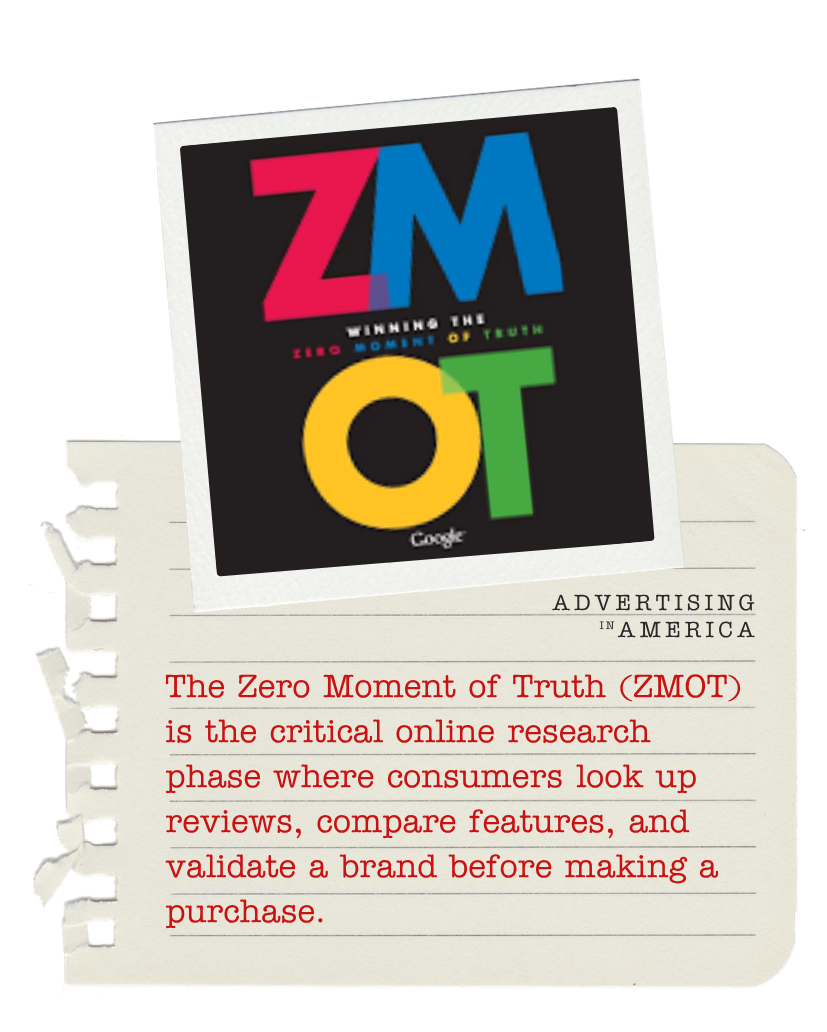
The more your brain bumps into something, the more you like it, even when you don't remember seeing it. Familiar gets the call. And we'll get into other episodes where we'll talk about the impact quotient, familiarity, and whether or not you have a whole bunch of competitors or not who are doing a good job, and how hard it's going to be. That's a big deal. But familiarity gets the call. Even if you're not good at your advertising, doing advertising that talks about your brand is better than not doing it at all. Because that's generating the lead. And last but not least, 2011: the Zero Moment of Truth. I don't know, I'd like to take Jim out back and give him a whoopin'. This guy worked at Google on online research and validation steps, saying that the last moment of truth is Google. They end up being the end-all, be-all of the universe for people making purchase decisions. The truth of it is it's not the zero moment of truth; it's the last moment of truth.
Mick Torbay: It's the last touch.
Ryan Chute: The zero moment of truth happened way beforehand if you did it right. And if you're relying on the zero moment of truth starting the day that they show up into the hopper of, "I need to fix this broken shit now," you're paying a fortune for that.
Chris Torbay: The problem is that Google, in that case, is taking credit for being the last moment of touch and thinking, "See how everyone always uses us." That's it. If what they Google is the guys with the dancing penguin, then it's just a technicality that they Googled that in order to get the contact details. The fact that they Googled that means that they had already had that zero moment way back.
Mick Torbay: I think people get that sometimes backwards. I think the point he was trying to make with the zero moment of truth is that before there was Google, there were basically three moments of truth of the purchase. The first moment of truth is walking through the door of the store.
The second moment of truth was seeing the product on the shelf and making the decision to buy, and the third moment of truth was going to the cash register, money changes hands.
This is so three moments of truth. Walking through the door, experiencing the product, making the purchase. And what he was saying is that there's one before that. The zero moment of truth, which is basically what he's saying, is none of that shit happens without Google. I think he worked at Google at the time.
Ryan Chute: He worked at Google at the time.
Mick Torbay: So basically what he was saying is that there's one before that, which is why we got from one to zero. Where he was saying none of that shit matters because you have to put all of your effort into the thing that made them go to the store in the first place, and he conveniently took credit for 100% of that.
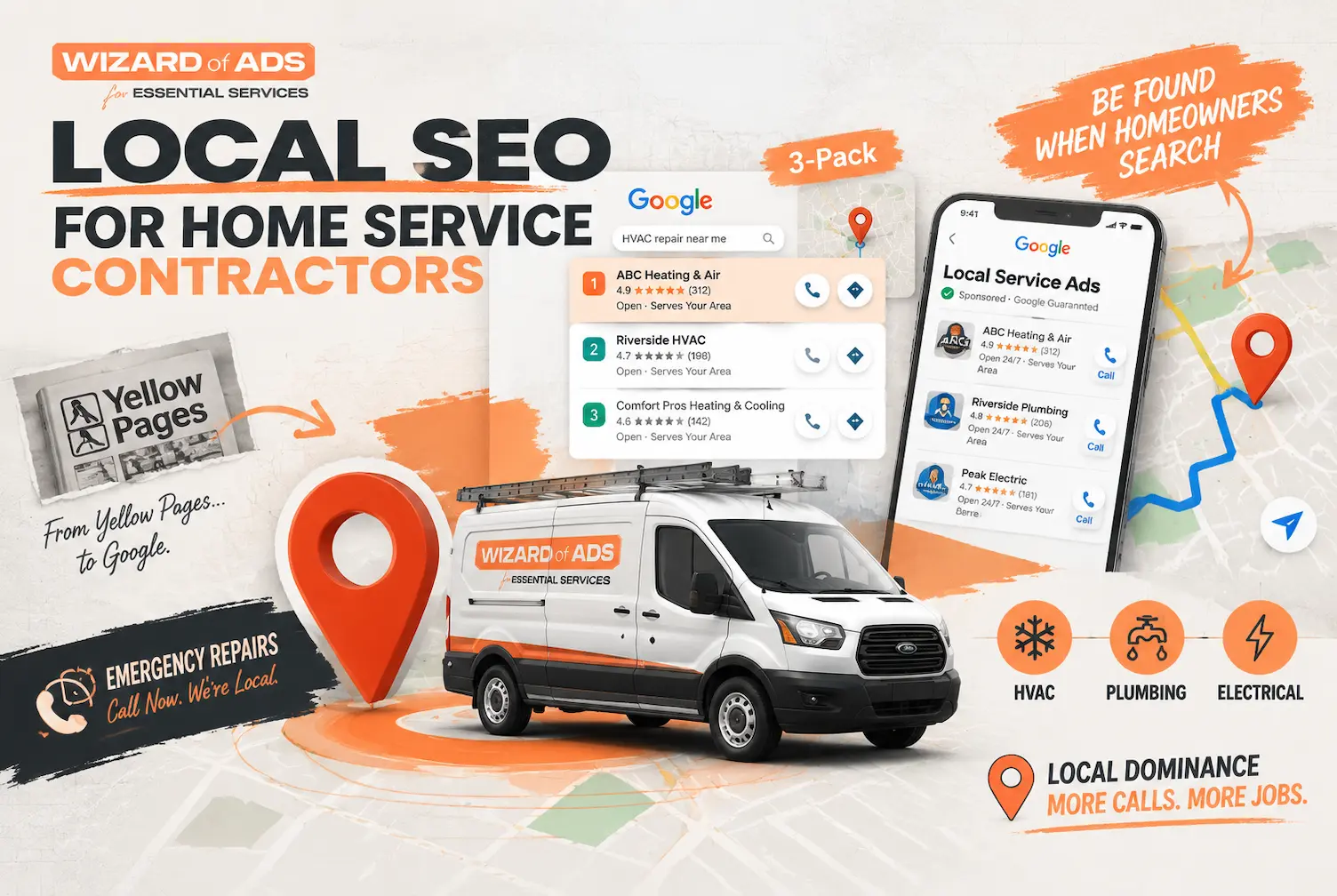
Ryan Chute: Because that's how he gets paid. And before Google existed, before the internet existed, it was Yellow Pages.
Mick Torbay: It was the same thing. And they would've made the same arguments.
Ryan Chute: Yeah, absolutely they would've. In fact, they formed a lot of these original arguments like "How did you hear about us?"
Mick Torbay: "How did you hear about us?" They're holding the fucking, you know, the Yellow Pages in their hands when they ask the question.
Ryan Chute: Bless their sweethearts. A brand decides whose door they pick. You can either choose to write your destiny into your brand or rely on Lady Luck to supply you with all the endless leads that you need. I'm not going to leave my business to Lady Luck and pay her out the ass.
Mick Torbay: Especially since she will keep raising her prices until you are making no profit.
Ryan Chute: So look, if you're running an essential home service business in America, heating, cooling, plumbing, and electrical- here are the three things that I'd want you walking out the door with. You can't generate a lead on demand. You can only be the name they reach for when the lead generates itself.
The weather makes the lead. The busted water heater makes the lead. Your only job is to already be living happily in their head when it happens. Two, what most folks buy as lead generation is actually lead capture. Capture is the door, the click, the coupon, the form fill. Brand is the reason they walk through yours instead of the identical one right next to it.
Quit paying Google rent on a hallway where all the doors look the same. Three, spend as you believe in tomorrow. When you invest in your tomorrow customers, you don't lose today's customers. Find the most affordable places to put up your door, then paint it pink and tell the whole world a funny story.
Build the brand for the ninety-five percent of people who aren't shopping yet, and capture the five percent who are. That doesn't have to be two strategies. And when you make it one, your marketing becomes more fun and fruitful. If you don't hear anything else, hear this. There is no machine in the back that makes a stranger want a furnace that you're selling.
There's only the company they already trust the night it decides to quit. Be that company before the cold snaps, and you won't be generating leads. You'll be capturing them. Until next time, this is Advertising in America. Thanks for tuning in.
Thank you for joining us on Advertising in America. We hope you enjoyed the show and captured a nugget of marketing magic. Want to hear more? Subscribe, leave a review, and share this podcast with your friends. Do you have questions or topics you want us to cover? Join us on our socials at Advertising in America.
Want to spend your marketing budget better? Visit us at wizardofads.services to book your free strategy session with Wizard Ryan Chute today. Until next time, keep your ads enchanting and your audience captivated.

Advertising in America
The podcast that turns marketing into magic! Hosted by the brilliant Ryan Chute and the ever-entertaining Michael Torbay & Chris Torbay, this show dives deep into the world of American advertising, revealing the secrets behind the most successful campaigns and exploring the latest trends.
Share this:





%20(1).webp)
.webp)

.webp)

.webp)

.webp)

Nothing to see here!
Nothing to see here!