
You're sick of your ads. Your audience hasn't seen them yet.
That is the entire problem, and it's costing businesses millions in prematurely abandoned campaigns, reset brand signals, and marketing energy aimed at the wrong target entirely.
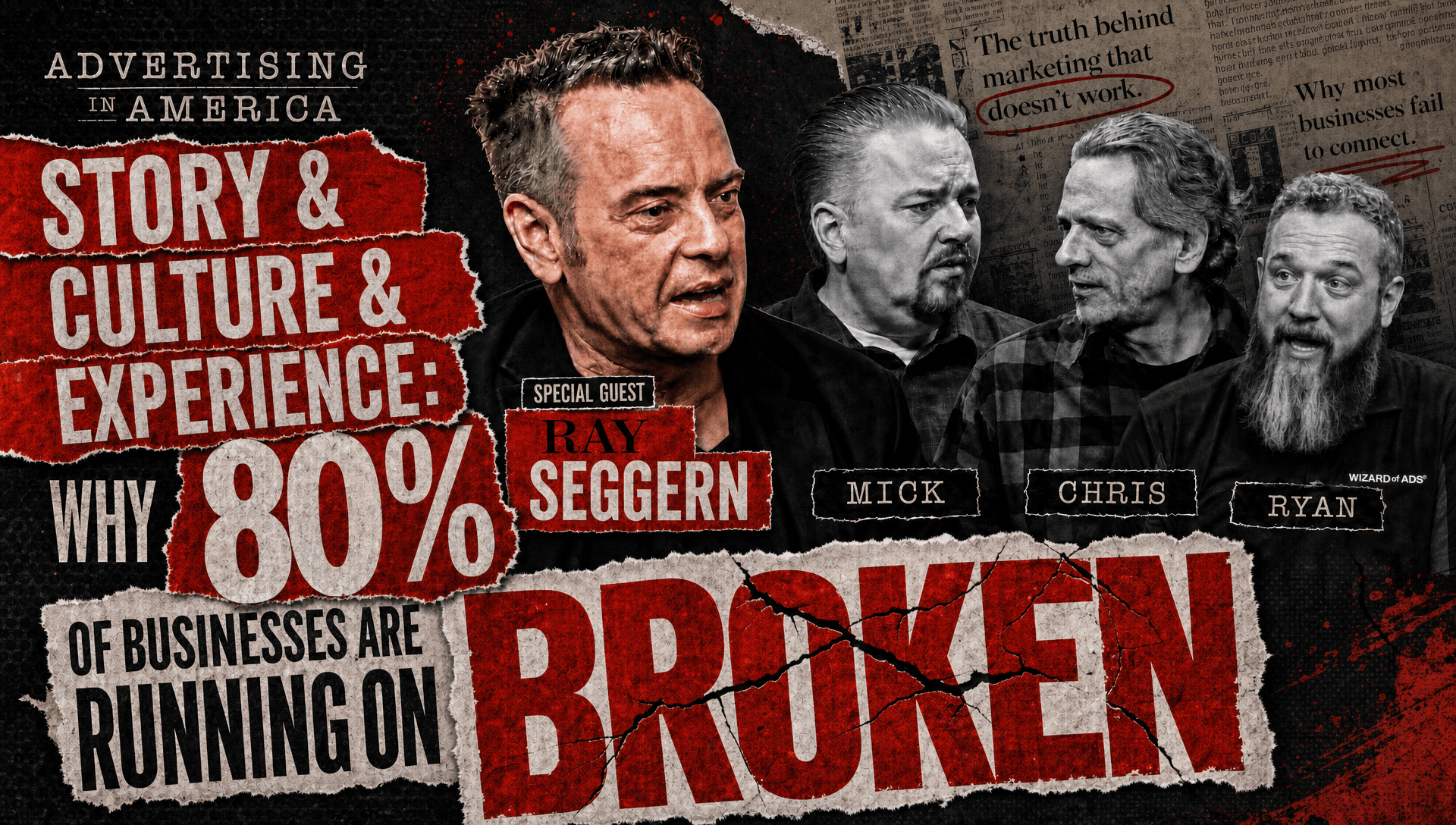
In this episode of Advertising in America, Michael Torbay and Chris Torbay take different doors to the same room. Mick's argument: your good ads need to run longer than you're comfortable with. Chris's argument: the individual ads should stay fresh, but the advertising idea underneath them should never change.
Both are right. And the distinction between the two is what separates businesses that build real brand equity from businesses that keep starting from zero.
The conversation goes deep into why the client is always sick of the ad before the audience has registered it once, what peer-reviewed wear-out research actually says about how long ads stay effective, why the new marketing hire who needs to "make their mark" is the single biggest threat to any great campaign, and how to tell the difference between a campaign that's bored and one that's actually broken.
If you've ever been tempted to kill a campaign that was working, or suspect someone on your team is doing it for the wrong reasons, this episode is the intervention you didn't know you needed.
Episode Highlights:
- Your Audience Hasn't Started Counting Yet: Why the client's clock and the customer's clock are never synchronized and what happens when you act on the wrong one.
- The Science of Wear-Out: What peer-reviewed research from the Journal of Advertising Research actually says about emotional ads vs. rational ones, and which outlasts which by a significant margin.
- Ads vs. Advertising: The distinction between the episode and the show. Mac vs. PC ran 66 individual spots. The advertising never changed.
- The CMO Tenure Trap: Average CMO tenure is 4 to 4.5 years. Great campaigns take 5 to 7 years to compound. The runways don't match, and the industry pays for it.
- Bored or Broken?: One question to ask before you change anything, and what to do depending on the answer.
- Famous Campaigns Don't Die of Natural Causes: From Skittles to Nike to Allstate's Mayhem, why the brands we still talk about stayed the course while everyone else chased novelty.
- The New Marketing Hire Problem: Why the fastest, easiest, most visible win for a new CMO is to kill the campaign that was just starting to build real equity.
- The Mona Lisa Test: The Louvre didn't change the exhibit because the security guards were bored.
🎧 Hit play if you've ever been tempted to kill a campaign that was working or suspected someone on your team was doing it for the wrong reasons.
👉 Is your campaign bored... or broken? That's the only question that matters before you change a single word.
On this episode of Advertising in America, we're asking the question: when is it time to change your ads?
When is it time to change your ads? Two possible answers. Leave them up longer than you think. Or change them up more often than you think.
How often do you change your ads? You change them all the time. How often do you change your advertising? Not nearly as often as you think. Hardly ever. You want your ads to be fresh and your advertising to be consistent.
Think long and hard about how good your ads are. If they're compelling, entertaining, and the sort of messaging that makes you turn the volume up rather than down when you hear it on the radio or see it on TV, leave that sucker on a little longer.
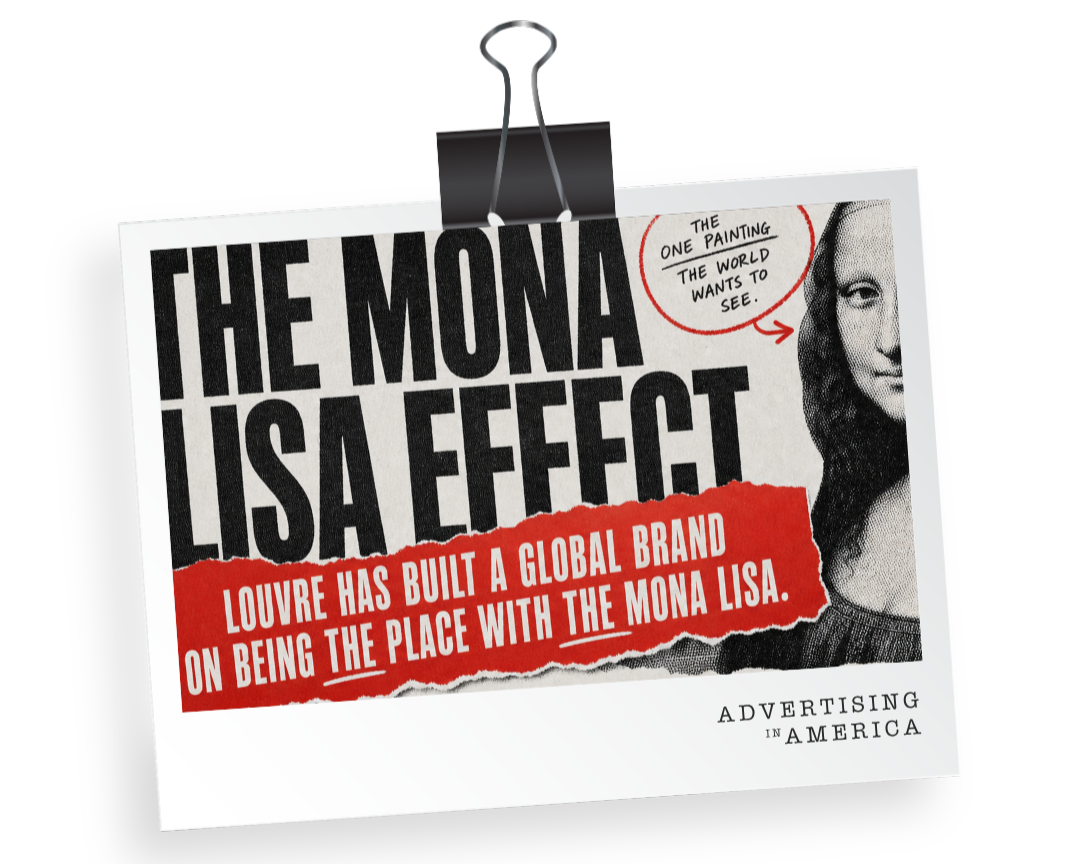
It's like asking the security guards at the art gallery how often we should change the exhibit. They've been standing here looking at the damn Mona Lisa for days on end. They're going to suggest we change the art on the walls every week. But the general public is still perfectly happy to keep coming in and seeing it. It is far from burnt out.
Ryan Chute: On this episode of Advertising in America, we're asking the question: when is it time to change your ads? And I'm asking the question: why are we doing a podcast that could have been an email? Turns out the Torbay twins have some special feelings about the duration of ads on the air, and that if we just did a podcast about it, we could save them having to type out their minging and whinging every time they get asked a simple question. And to leave an interesting topic, we'll be sure to double the cussing for your entertainment. Up first, Mick is here to explain why you get bored of your commercials far sooner than your audience. Mick?
Mick Torbay: When is it time to change your ads? Two possible answers: leave them up longer than you think or change them up more often than you think.
In my world, it's the first answer, and the you in this case is the client, the business owner. The client generally thinks we should change the commercials more quickly than we do because the client is sick of them. But this isn't actually fair, you see. The client read the script months ago and went through all the permutations of the copy, approved the final version, might have been sitting in the recording studio or on set when the commercial was made, watching it over and over again- rough cuts, better cuts, final cuts- and all of this is before the consumer saw it once.
Sure, you're sick and tired of it, but the audience hasn't even seen it yet. So yeah, you need to give the viewers a chance to spend a little time with it. The time you spent already doesn't count. And also remember, when you were poring over the script or watching those first edits, you were looking carefully with a critical eye. Your audience is doing no such thing. It might not even register the first couple of times they hear it. So even when your media buyer shows you that the listeners are getting exposed to it, that doesn't mean they're as invested in this thing as much as you were. That's why we run it over and over again.
There's a mathematical formula that we use at The Wizard of Ads to ensure it's on for just the right amount of time, and it varies with the media buy, so it's not of any use to you here. But as a rule, you want people to hear it a bunch of times. But how much is too much? On the topic of too much, all you have to do is look at our friends in the large agency space.
They live in the world of the 13-week flight. Now, I don't know how long a Budweiser ad should run, but I know that 13 weeks is too long. My guess is that they run them that long because they've always run them that long, and the union pays based on how many 13-week runs they run. And of course, the fact that they spend half a fucking million dollars to make a 30-second commercial will also factor into why they don't change them every month or so.
So even if the viewers are no longer laughing at the jokes, that's how often they change them. But there's another variable to consider. Is your commercial any good? Is it boring? Is it shitty? Because if it brings nothing to the table except the same crap as everybody else, then the last thing you wanna do is run that same shitty ad over and over again. The least you could do is rephrase it a bit. I remember years ago, I had a meeting with a client. They were a mortgage broker, and I can't remember how I got the meeting because he didn't want new ads. In fact, he told me he already had the perfect radio ad, and he even played it for me. I'm gonna play it for you. He won't be annoyed because after all, it's perfect.
Mick Torbay: And that was the perfect ad. So perfect, in fact, that he ran the same fucking ad for literally two decades. Why change it when it's perfect? If I were this guy, I'd change it a lot because that is a shitty commercial. Just a list of who their potential customers might be. A really long list.
So think long and hard about how good your ads are. If they're compelling, entertaining, and the sort of messaging that makes you turn the volume up rather than down when you hear it on the radio or see it on TV, leave that sucker on a little longer. If it's just, "Here's who we are and here's what we sell," change your ads early and often.
Ryan Chute: Mick, you seem to have some strong feelings about the Savers mortgage ad. Like sarcastic feelings, but feelings. I'm left wondering about the parking situation and whether or not their experienced, courteous staff cares about my needs, though. Chris, take it from here.
Chris Torbay: How often do you change your ads? You change them all the time.
How often do you change your advertising? Not nearly as often as you think. Hardly ever. You want your ads to be fresh and your advertising to be consistent. Most people who have tried advertising and been unsuccessful tell the same story. They finally tried running a radio ad after the sales guys hounded them for long enough to try advertising on their station.
So they wrote one ad, probably full of all the same table stakes messages that are in their competitors' ads, and ran it for thirteen weeks. And when their business didn't magically quadruple, they decided advertising didn't work. Or perhaps the ad did work, so the next year they ran it again, and again the year after that.
After spending so much money to make that one ad, "Hey, let's run the TV ad again." And so people got sick of it and stopped paying attention. The anecdotal feedback went from, "Hey, cool, I saw your ad," to, "Yeah, I saw your ad again."
If you choose to do advertising, you don't need an ad. You need to become an advertiser.
You write an ad, then another ad. You make me want to know what's coming in the ad that comes next. You make me interested in your campaign as much as you do in any single ad. You make me think of you as the brand I know and trust in this category, not the guys with that one ad.
Taylor Swift didn't write a song and become a superstar. She wrote dozens of songs, and then an album, and then more songs, and then more albums, and then toured, and then started working with better producers and wrote even better songs. Now, when the tour comes to town, you say, "Let's go. I like her stuff."
And just like Tay-Tay has another song ready to release-
Whenever the current song starts dropping on the charts, you need to keep your ads fresh. Run them at a decent weight, and when people have seen them about a dozen times, give me a new one.
But your advertising idea, the campaign that brings all those ads together in a way that is unmistakably you, don't touch it. And if you're new on the account, on the client side or the agency side, ask yourself if you're changing it because it needs to be changed or because you need something to do to justify your existence.
There is no greater threat to the longevity of a great idea than the turnover among the marketing people involved. No one is closer to the advertising than the marketing people. They get sick and tired of it way before the general public does. They went to the meetings, the production, the edit, the research. They burn out on this stuff way before the average listener does. It's like asking the security guards at the art gallery how often we should change the exhibit. They've been standing here looking at the damn Mona Lisa for days on end. They're gonna suggest we change the art on the walls every week.
But the general public is still perfectly happy to keep coming in and seeing it. It is far from burnt out, and the The Louvre has built a global brand on being the place with the Mona Lisa, still to this day. Keep your ads fresh and your advertising consistent.
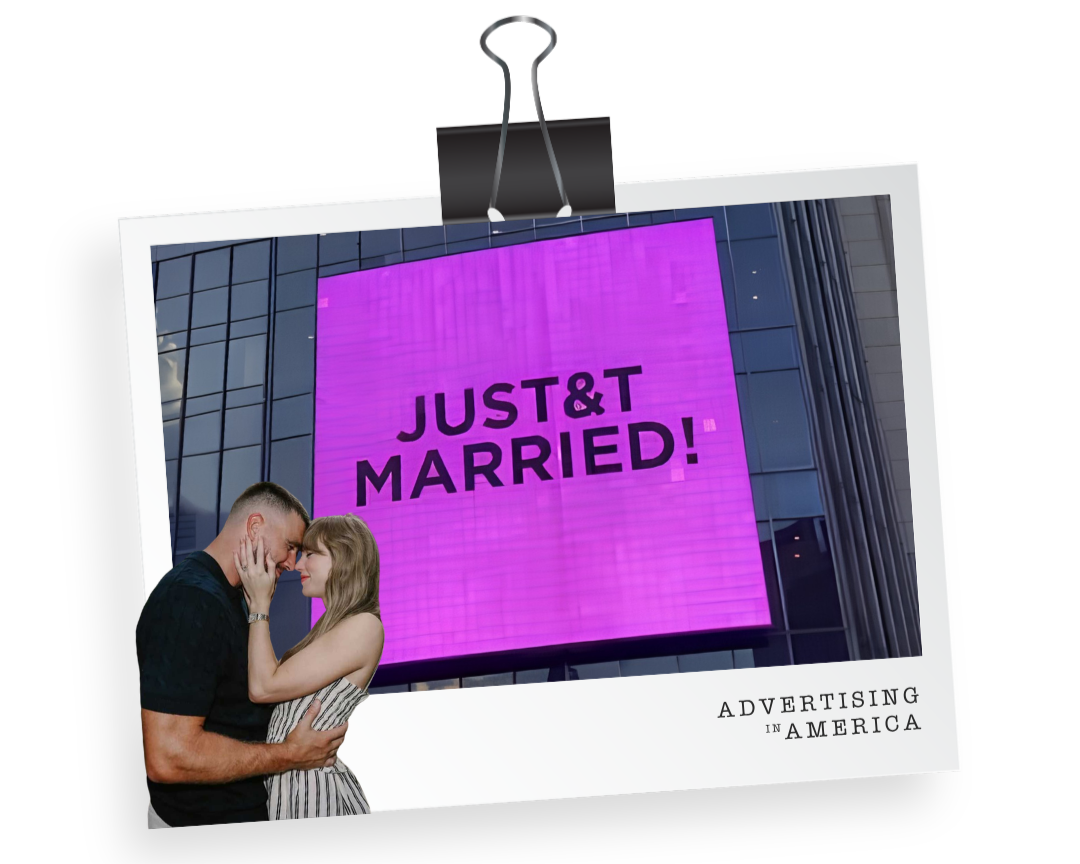
Ryan Chute: Chris, I'm uncomfortable with you referring to Taylor Swift as Tay-Tay. Henceforth, you shall refer to her as Miss Swift or Mrs. Kelce. Find your dignity, man.
We'll be right back after these messages.
Ryan Chute: Okay, we're back. So the boys did it again, different door, same room. Mick says, "Leave the good ones up longer than feels comfortable." Chris says, "Keep the ads fresh, but never touch the campaign." Both of them are saying change the execution, not the idea. Let's pull this apart.
There are three things I want to dig into today with the Peanut Gallery. Number one, Mick, you said that the client is sick of the ad before the audience has seen it once. Tell us about that.
Mick Torbay: It's just the nature of the production process. We're pitching scripts to our clients, say, in September that are not going to run until January.
Because by the time the script is approved, and we're moving into production, and we're recording, we're shooting, we're editing, we're approving again, there's many levels of approval, and by the time it actually gets to, of the air, literally a third of a year can go by, and the client is experiencing the ad over and over again.
Let's say the ad is funny.
Chris Torbay: They're not laughing at the jokes anymore. The joke has long since gone stale, exactly.
Mick Torbay: They're not finding it hilarious when they hear the ad. So it's easy after a couple of weeks, and then now they're driving to work, and now they're hearing the ad, and they're like, "Okay, all right.”
Chris Torbay: “I bet you people are getting sick and tired of this.”
Mick Torbay: “We've made our point here. Like, when are we going to move this along?"
The consumer has barely registered this at all. So you have to think in terms of what the consumer's experience is, which is, "I barely noticed it. I have to hear it several times before I start to notice it. Then I hear it, then I say, 'Ah, it's pretty funny.' And then around about the fifth or sixth time, it's like, 'Hey, honey, sh- sh, listen to this one. It's hilarious.'"
So we need to understand that we are not the consumer, and the only opinion that matters is the consumer. Since you can't think like a consumer, you can just behave like one.
Chris Torbay: And the only people who have listened to this ad over and parsed every single thing that's in it, and whether it says this and whether it says that, the only people who've done that are the people who were in the meetings.
The consumer is hearing it in the mix, in between music and sports and news updates and other things like that. And if you've written an interesting enough ad, sometimes you're not going to get all those jokes the first time, the second time, the third time. It's the fourth time where you go, "Oh, yeah, that's funny. I never noticed there's that part where he does this at the end,” that actually refers to those little Easter eggs or things that are in it. If it's a well-structured ad, those things don't come out until you've heard it a few times, and you're sick and tired of them, but they're just getting it for the first time.
Ryan Chute: Robert Heath, in the Journal of Advertising Research in 2009, alluded to that in his peer-reviewed work around the exposure and the emotional engagement of the person watching television. In this particular one, he was talking about how, when people are watching TV, and particularly TV ads, they're at a level of low attention, that peripherally almost everything else is going on. They're folding the laundry. They're making dinner. They're looking at their phone. They're driving to work. Two screens are a normal thing nowadays as we start to see the evolution of attention being pulled in multiple directions.
Chris Torbay: The only people with full attention are the client-
Mick Torbay: It's the client who's like, "Oh, it's our agent. It's our ad on the end."
Chris Torbay: Because they're all in the meeting to discuss this very ad, so they are actually evaluating it in a different mental frame of mind than the average viewer is receiving it.
Ryan Chute: And think of it like you're paying attention as a business owner at 100%, and the viewer is watching it at 5%. So it needs multiple hits. Which is why you need to- so 5% just to get your build-up.
Chris Torbay: Some of those 5 percentages until you get to something effective.
Ryan Chute: Exactly. That's excellent. Now, some of the other research that's come out around this: the Journal of Marketing Research by Calder and Sternthal, the TV commercial wear-out and an information processing view, classic peer-reviewed wear-out study. So this is all kind of verified research, but it's also about people just wearing out or the ad starting to get stale or tiring; found that wear-out is real but it's gradual, and emotionally engaged ads wear out much slower than rational, feature-led ones. So, if you have an incredibly boring ad, you're going to have to change it up much faster. Why don't you just go ahead and say the ad that we played earlier?
Chris Torbay: See, always the one everybody loves to hate is Kars4Kids, because the jingle just- oh, goodness- is just crazy. It's just nuts. It's a great musical hook. You actually get beef, it's like people would they would look forward to that one.
You can watch, you could hear Claire Feller
Ryan Chute: Yeah, she's adorable and endearing.
Mick Torbay: She's still alive today. She's 180 years old now.
Ryan Chute: Wow, that's fantastic. I think she might be a Jedi. Or a Sith. We don't know. So a great ad can run far longer than a bad one, so the question of when to change isn't just about time; it's about the quality or impact quotient of the actual ad itself.
Chris Torbay: Which is why the discussion flips when you're talking about a campaign, right? You can keep running the same campaign, and we've talked a bunch of times about I'm a Mac, I'm a PC or Mayhem for Allstate. You can keep going back to that because it's funny every time. Every time the Mayhem guy turns up, he's in another form of chaos because that's who he is.
Chris Torbay: We look forward to another one of those, or you look forward to another Justin Long being snooty to the poor PC guy. You can just keep coming. I look forward to going back and going back. So, suddenly the consistency is stronger and staying with the campaign is stronger, but it's because you're actually refreshing the individual ads.
Ryan Chute: In and around page 120, 122 in Secret Formulas of the Wizard of Ads™, we talk about a very specific repetition as well, which ties into impact quotient and total reach. And ultimately, reach ends up being a quotient of your budget. But repetition is excruciatingly important. You're going to have to run the ad more often if your customers, prospects, or your audience are barely hearing it as well. You could run it for half a year if your frequency was wrong or your repetition was wrong, but you're missing the mark on so many other things that you're actually better off to get your repetition, and to shorten the length of that ad run.
Mick Torbay: And I wonder how long or how often businesses are doing it because that's the way it's always been done. Where for decades people would run TV ads for 13 weeks and then sometimes another 13 weeks. The question of how long an ad should run has literally run the gamut from the early days of radio, when radio ads were done live. So it ran once like this. They might have used the same script, you might reread it again tomorrow, but it wouldn't be the same. And they would literally make that one ad live, and so it would run once like that.
And now, I literally got an email today that said that a commercial, a national commercial that my son was in that has run in the United States for one year, is now being picked up for a second year. So it's now going to run for two years in America, and I think to myself, "It's a good ad; there's no question. Maybe we can run it if we can. Maybe it's running now. If we can't, it's not." I don't know what the rules are, but the point is it's on YouTube. It's not a secret. The point it's a good ad, but my goodness, two years. Write a new freaking ad, guys.
Chris Torbay: Now, to their credit, they're probably not running it at the frequency that we would say, right? Where you want to see it three times a week for however many weeks. Almost certainly. If they're running it at that kind of weight, no, they're not going to.
Mick Torbay: And I also have a fairly good idea of how much they spent to make it just based on counting the production trucks, which was 22. So if you were there when they were making this ad for buns, you'd think that they were making a feature film. The catering was 75 crew, 25 agency people. It was just ridiculous, the amount of people there.
Chris Torbay: So we're going to run that ad for a while.
Mick Torbay: So they're going run that ad for a while, but I would still question: is that the right thing to do?
One of the things we do is we will sacrifice budgets like that- in order to make more commercials a year, running maybe eight commercials a year instead of one, or one every two years. But we can change the campaign, change the commercial so it can be a campaign, and the consumer gets to see the next chapter, and can enjoy it.
Chris Torbay: There's another, what happens to these characters again? Or how does this situation affect another family, or whatever the premise of the ad is. Let's do it again, and do it in a different place and a more interesting place and have me look forward to the next installment. And that's the idea of keeping the advertising idea consistent, the campaign idea, so that I know you as the brand that believes this, or the ad that does, the company that thinks this way, because I see you do it five different ways in five different contexts.
That sets up a sense of who you are as a brand, whereas one ad is entertaining for as long as it's entertaining, and then it's not entertaining anymore.
Ryan Chute: And Chris, this goes back to your whole thing about ads versus advertising. And it makes me think of a blockbuster film during the summertime versus a sitcom that runs for 20 years. What is the right play? When we're trying to embed and entrench a deep bonding to the characters, and we have a minute at best to create that bond, what's the distinction?
Chris Torbay: I think the way you do it is that minute is only- it's not a minute; it's if we're doing 12 spots a year, it's 12 minutes. So now we do have time to have you get to know these characters and what they represent from the brand, as opposed to the average person, and it's more than that.
Mick Torbay: And it's more than that if they hear it more than once.
Chris Torbay: And the average person who's running a 30-second commercial read by the announcer, who's not a character that you know and trust, then that's, that makes a big difference.
Ryan Chute: But it's, and you start to think of the GEICO Gecko. You start to think of Mac versus PC, Bobby and Mr. Jenkins. These were campaignable stretches where you started to create a relationship, even if it's a parasocial relationship, with the characters to know, like and trust them. Which is ultimately the goal that we're trying to achieve prior to them needing what you have to sell.
Mick Torbay: Bobby and Mr. Jenkins was a 30-second sitcom (Morris-Jenkins). That ran all year round. It was television. They were making television. They were making a television program, which was only tangentially about air conditioning, which is what the guy sells. But in fact, what it was, is it was an interesting little moment between two interesting and disparate characters who shouldn't be together and yet somehow are, which is always interesting, because you don't know how they're gonna react 'cause the characteristics are so they don't go together, and yet they're stuck in this truck.
Mick Torbay: But that made for interesting television, and you didn't have to have a broken air conditioner to want to watch the next one.
Chris Torbay: And it said something about the character of the company, because they each represented a facet thereof, and so it built up in you a sense of what this organization was like, and how they behaved, and what they believed, and what you could expect from them if they were to ever come to your house.
Mick Torbay: Absolutely.
Chris Torbay: By building that up over episode after episode.
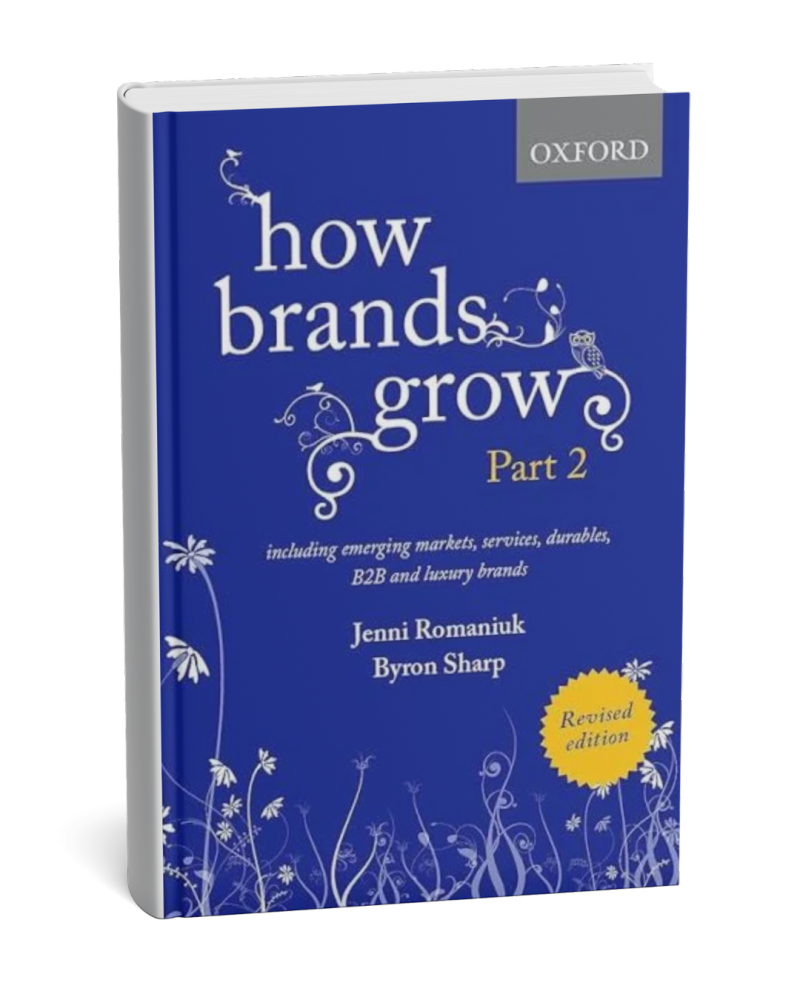
Ryan Chute: And Ryan's fun fact: Jenny Romanak and Byron Sharp, The Ehrenberg-Bass Institute, How Brands Grow Part Two, the second book in Byron Sharp's category from Oxford University Press, 2016, and Romanak's Building Distinctive Brands in Oxford 2018. Again, peer-reviewed research that talks about how brands actually grow, and it's the distinctive brand assets. The opportunity for us to embed certain things, jingles, sound signatures, sound logos, characters, colors, this kind of ongoing recurrence of consistency, that allowed us to help people make the decision that they were the ones that are familiar, trustworthy, endearing, empathetic, competent. All of the things that brand assets can't do if they don't get noticed.
It's one thing to have a truck wrap that is every other truck wrap, and even if it's clever and unique and colorful it means nothing without any kind of auditory and visual signature behind it that actually tells a story, consistently changing these things up to create novelty is a big way that Broca's areas of the brain captures that information and allows it back into, to club imagination, where you get the chance to be selected when it comes time to buy the thing.
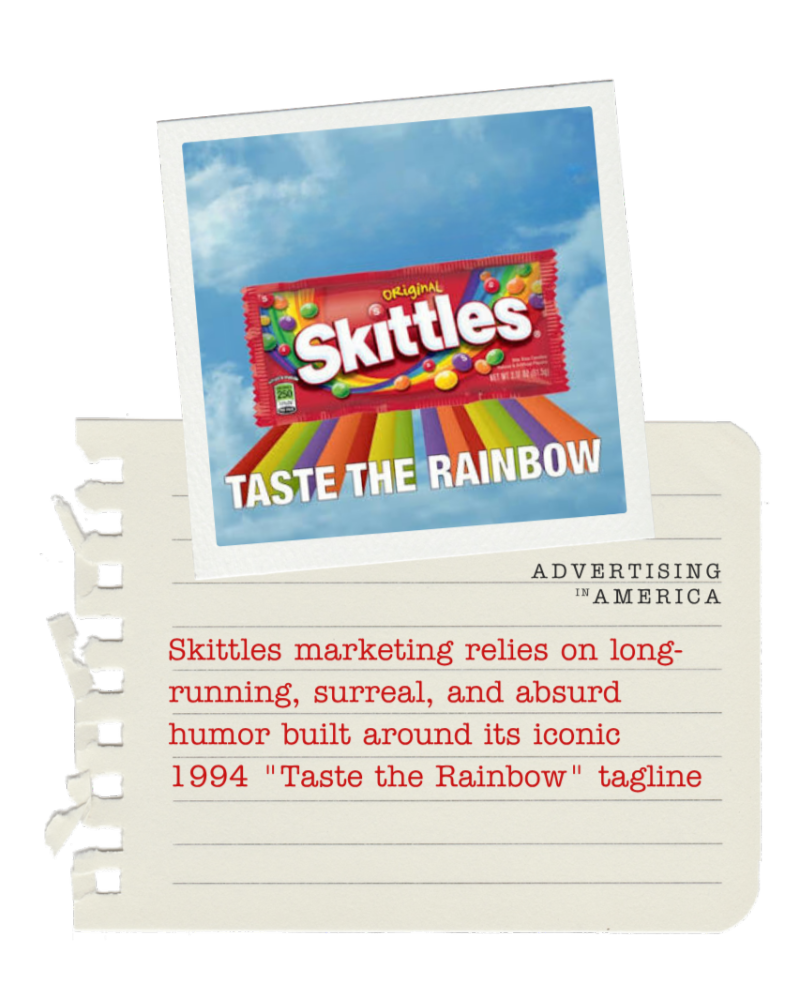
Chris Torbay: But some of those- this is classic branding, those things build up over time. If you think of the early Apple commercials, it was people dancing. They still do it the really tight close-ups of the phone spinning in high-definition graphics, or the watch, or the whatever, and it kind of rotates and whatever. They have a look about them, but it's after seeing 10 of them that you go, "This has got to be an Apple commercial," because that's how they show their product. You look at the Skittles campaign, which has been running for years. It's always a completely absurd situation, and then it ends with, "Skittles," "Eat the rainbow. Taste the rainbow." They always change the word, right? It's always, "Barf the rainbow. Taste the rainbow." They always change the line. But it can come from- there's a look about them, and there is a vibrancy about them, and it only starts to look like that when you've seen 10 of them, and you can say, "I think this is fitting into that campaign now."
Ryan Chute: That's it's a combination of novelty breeds and familiarity.
Chris Torbay: Each one of them will be, "What the heck is this thing?" And we end up there, which is new every time. But the process of getting there is the same every time.
Mick Torbay: I think you brought up a really interesting point when you mentioned Taylor Swift as your example. Someone who is a brilliant songwriter, very prolific, writes albums, produces so much really good material. And that is why we acknowledge that she is one of the greatest. And we compare that to the one-hit wonder who we all disparage because they did this one thing and it was crazy and it worked, but they could never do it again, which means they're not one of the greatest, which is true. Isn't it interesting that we understand that when we're talking about music? When we talk about advertising, we revere the one-hit wonders.
Chris Torbay: We’re still looking for that killer ad. Give me another 1984 ad.
Mick Torbay: We talk about that Super Bowl ad from three years ago, or that Super Bowl ad from one year ago, which, and literally all of them are attempting to be one-hit wonders. None of them have a second chapter. None of the great, interesting Super Bowl ads are ever part of a series. They're never part of an ongoing. They're never part of a freaking album. They're just throwing a dart at the wall saying, "Maybe we can do something crazy that will be interesting, and they'll be talking about it tomorrow a- around the water cooler."
Why do we revere the one-hit wonder in advertising, when we acknowledge that in music that's not what we're going for? What you want to be is Paul Simon.
Chris Torbay: And just to beat the comparison to death with music, it's interesting that the great artists have new songs all the time, and we appreciate the next new song and the next new song and the next new song, but they're in a lane, too, right?
Like Taylor Swift has great hit after great hit, but she doesn't try to rap. She doesn't try to do trip hop. She doesn't try, and even when she went a little bit away from country and into pop, there was a bunch of people who said, "Oh," because of brand, because she's a brand, and you want your brand to do things that you know the brand for, and you've come to expect it, and you've come to look forward to more of it. So the people who were listening to Taylor Swift in the early days when she was a country artist, it's like, "I would like some more of this country stuff coming from Taylor Swift, please, because I love it." And so she can move this far, but if she moves this far, everybody's going to fall off the train.
Mick Torbay: We don't want to hear her classical stuff.
Chris Torbay: We don't want to hear her classical. We don't want to hear her rapping. We don't want to hear, you know-
Ryan Chute: I do ...
Chris Torbay: Drum and bass.
Ryan Chute: I would like to hear her rap because we got it in
Mick Torbay: the right order this time.
Chris Torbay: I did.
Mick Torbay: Ryan’s fun fact….
Ryan Chute: Not right now. But maybe. Chris, you'd also made the point that the single biggest killer of great campaigns is the new marketing hire trying to make their mark, and we often see that if we're transitioning out and somebody else is transitioning in, the very first thing that gets killed is what we created because mostly of ego and those types of things. But very often, most companies aren't dealing with that problem; they're dealing with They have terrible advertising, and they're transitioning into doing something that actually works.
Chris Torbay: But it's usually because they do something to start. They either bring in a marketing person, or they decide to hire an agency if they've been writing their own ads beforehand or they, and we've talked about this before is nobody starts working on a piece of business and has the personal confidence to say, "I'm the new sheriff in town, and first thing I'd like to say is, as you were people. Keep up the good work." No one will do that. They come into it with the sense that I should come in here and,
Mick Torbay: Things are gonna be different.
Chris Torbay: And change some things up. But that's their perspective, and that's their desire to look like they are taking the bull by the horns, that they're earning the money that we've paid them. If they hire you on as a new creative director at the agency for 150K, you're gonna want to demonstrate that you are worth that money, and so show me what you're gonna do.
I'm going to change something. From the audience perspective, there's a campaign that's been out there for a while, and it is, it has created an impression in people's minds. If it's a brand that you're inheriting, if you think of brands that have been around for generations like Campbell's and Nike and Budweiser and things like that. They're turning over people who are working on that business all the time. There is a certain responsibility to not break what's out there. And Nike's a great one. The “Just Do It” has been their tagline for what? 30 years, 40 years. But every couple of years, or if there was a period of time where every two or three years is a one of the greatest examples of this of all time is Nike. Their tagline, Just Do It, has been around for, I don't know, 30 years, 40 years. It's obviously one of the greatest lines of all time. And about every three or four years, there's a front-page story in Ad Age about how we're moving on from thing. We got a new line, a new tagline. It's going to replace Just Do It. And then it doesn't, because it sort of peters out and research, they run some focus groups, and yet they ask the focus groups what they think of the new tagline, and they go, "You mean Just Do It?" And it's, “Ah, for God's sakes.” And so it stays, but every new person on the business sort of feels like they should earn their keep by showing that they can finally be the one to replace it.
Mick Torbay: And they dearly want be the one who does it,
Chris Torbay: And if you could, I guess that would be the greatest thing ever. The second greatest thing ever is to keep giving me great Just Do It ads, right? And that's what ends up happening is you come up with a new way of showing how great it is to work out at your highest intensity, or you do find new athletes that you can feature and show how awesome they are and pay off with that line, and those also become great ads.
And in fact, the fact that they join the canon of great Just Do It ads is also awesome.
Ryan Chute: I think that comes down to, particularly in these large agencies, when you start looking at.
Ryan's Fun Fact: Spencer Stuart's annual CMO tenure study they've been publishing this since 2004. The average CMO lasts approximately four, four and a half years. But the average breakout of a campaign, the average breakout-win of a campaign, is somewhere between five and seven years. So if we're three years into a campaign, they're just starting this campaign, they're moving on, and now somebody's coming in to make their mark.
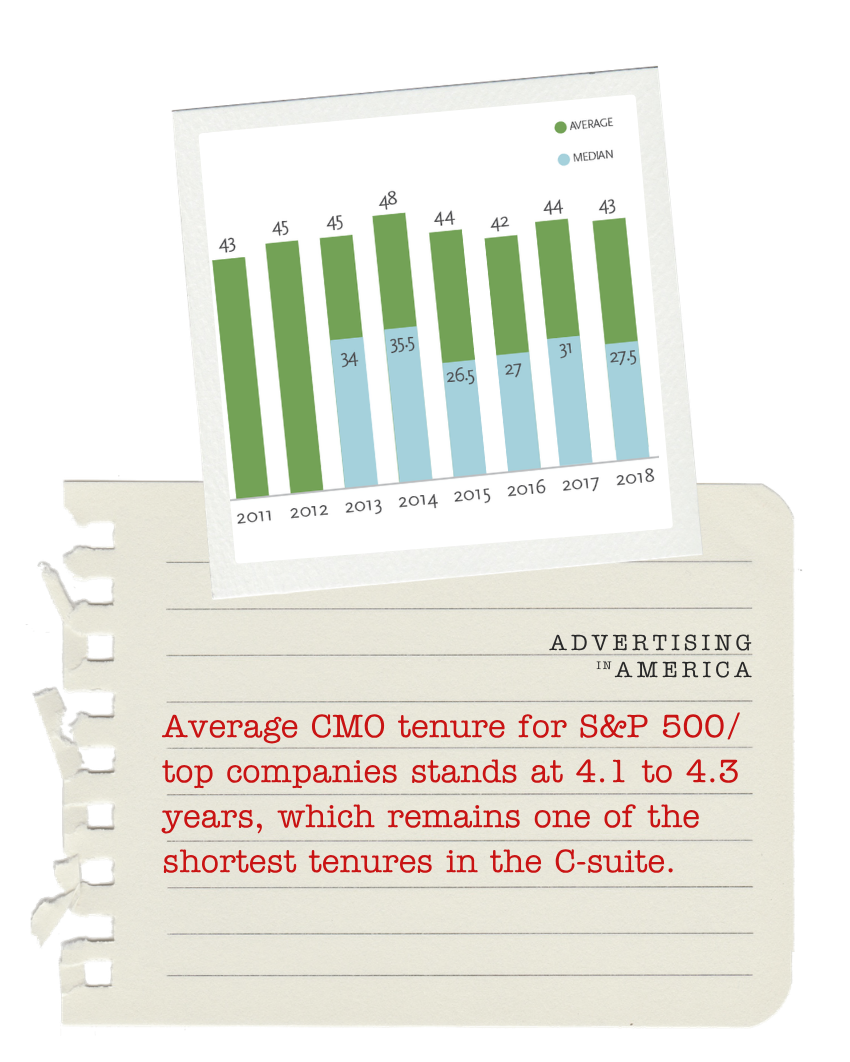
Chris Torbay: And God help you if the agency review was two years before the CEO changed, because now the new CEO's coming in. He's in the first or second year of the new campaign. He already wants to make a difference, but it's only just started, so now he's got to wait to really screws up aany sense.
And that's why I say the greatest threat to the longevity of a great idea, something truly becoming part of the zeitgeist-
Mick Torbay: That could be a 10 or 15-year campaign,
Chris Torbay: That could turn out to be a great idea, is that the new person's gonna want to come in, and with the best of intentions, help make things new and different.
Mick Torbay: Nobody arrives to wreck it. The new person wants to take it to the next level, or be the one who brings the transitions from the last idea to the next idea. The intentions are always good. They're always honorable.
Ryan Chute: Roy H. Williams, our partner, and of course, our mentor, has-
Mick Torbay: Certified crazy person ...
Ryan Chute: …certified crazy person, has been warning against this for years. He's always been of the mind that refreshing the brand is much more about career anxiety than it is about strategy.
Mick Torbay: Agreed.
Ryan Chute: The veteran move, if you inherit a working campaign, extend it. That's the real wisdom that comes into these things.
Chris Torbay: Or what aspect of it can you keep? And I've talked about this in a previous episode. I recently inherited a campaign, and I was obviously brought in to make a difference and do something different, in order to help the brand grow more than it was.
But the answer can't be to throw everything out. The question then becomes an even more difficult one to answer, which is: what is it that I can take from here and continue to do and somehow do in a better way or a different way or a more compelling way where the viewer goes, "Oh, I see what the brand has done," but doesn't break or discard what's been established? Or clashes with the equity that has been established.
Mick Torbay: And evolution is harder to do than a transition.
Chris Torbay: And shows do it all the time. You make the comparison to sitcoms. Sitcoms will get rid of a character, and they'll bring a new character in, or various people will fade in and out. But the show may be better with the new set of characters, but the show continues to be the show. It's not, “Oh, the whole thing's out the window now, and it has a totally different vibe and a totally different feel.”
Ryan Chute: And in some cases they've tried, and the show goes flat and they've realized…
Chris Torbay: Realize that key character was the crux of it.
Ryan Chute: Well, and it's the baby with the bathwater. It's identify, the baby, and make sure you don't throw the baby out with the bathwater.
Mick Torbay: He's always the baby.
Ryan Chute: He is a baby about a lot of things. He is. But he does get his own way. Bored or broken, before you change anything, ask yourself one question. Is this ad boring? Are you bored of the ad yourself, or is it broken? Is the ad not doing the thing that it's supposed to do?
If it's boring, then that's your problem. Stop worrying about it.
Chris Torbay: I'll attach to the bored, do you feel like you're underperforming if you don't do something? It's not just that you're bored with it, but you also feel helpless if you're not making a change, if contributing, in some way.
You have to get comfortable with, “I've inherited this thing. It's working really well. Let me be the steward of it and continue to take it forward,” and that's enough to be the person who didn't break the Campbell's Foodservice's brand after five generations.
Ryan Chute: That's a great example. The ROLEX brand, after however many generations as well, being transferred into professional management, if the audience is fine, let it run. If it's broken, that's the customer response. Now we have to assess that and determine whether or not we need to reinvigorate to change the momentum. But it's not always inclusive of complaints. The optimal number of complaints is never going to be zero on ads. In fact, if you're not getting complaints, that's a signal that it might be broken..
Chris Torbay: Or boring. It is forgettable that nobody bothered to say, "Hey, that offends me."
Mick Torbay: But on, on the topic of broken, sometimes a client will say, or someone on the team will say, “I think we should change the ads," and I will challenge that with the following question.
The reason why you should change the ad is that what we're doing is wrong, and that means it must always have been wrong, and that's okay. You can do it wrong. You can make mistakes in marketing; that's fine. But if it was right before, why would it be wrong now? Otherwise, it's just because you're fucking bored, and it's another way of calling bullshit, because if you're saying this is not right, it's like, then it was always wrong. The reason to change the ad is if it's wrong, or the advertising.
Chris Torbay: Forgive me, unless something fundamental, for advertising changes about your brand, right? And I'm trying to think of an example.
Mick Torbay: Which almost never happens.
Chris Torbay: No, it does sometimes and in which case then you stop calling yourself. You do a name evolution, or you do something like that.
Mick Torbay: Subway had to change their advertising. Fair enough. Fair enough. Sometime, but in my defence, they should never have had that guy on the ad in the first place.
Ryan Chute: Hindsight is 20/20. See, what, guys, this conversation was far less boring than I anticipated. Thank you. I'm very glad to, that we had it. That's a wrap.
Ryan Chute: To wrap things up, if you're running a business in America trying to figure out when to change your ads, here are the three things I'd want you to hitch your wagon to.
One, your customer hasn't started counting yet. Don't change the ads because you're tired of them. By the time you're sick of it, the audience is just starting to figure out that you exist. The clock doesn't start when you start. It starts when they start, and they haven't started yet.
Two, change your ads. Don't change your advertising. Same brand, new episodes. Mac versus PC. Bobby and Mr. Jenkins. The GEICO Gecko. Allstate's Mayhem. The assets stay, the episodes change. That's the move. Anybody who tells you the whole campaign needs a refresh is either bored or a noob, or both.
Three, if you inherit a working campaign, don't kill it just to prove you're working. That's a rookie move. The wise veteran extends a working campaign, writes the next chapter, and takes all the credit when the numbers come in. Famous campaigns don't die from natural causes. They die from imbeciles with a tiny ego.
If you don't hear anything else, hear this: The campaigns we talk about in advertising history weren't great because someone had a great idea once. They were great because someone had a great idea once, and then everybody who came after them had the discipline to not kill them. That's the whole game.
Keep your ads fresh. Keep your advertising consistent. Trust the people you hired, and try to outlive the urge to make your mark.
Until next time, this is Advertising in America. Thanks for tuning in.
Thank you for joining us on Advertising in America. We hope you enjoyed the show and captured a nugget of marketing magic. Want to hear more? Subscribe, leave a review, and share this podcast with your friends. Do you have questions or topics you want us to cover? Join us on our socials at Advertising in America.
Want to spend your marketing budget better? Visit us at wizardofads.services to book your free strategy session with Wizard Ryan Chute today. Until next time, keep your ads enchanting and your audience captivated.

Advertising in America
The podcast that turns marketing into magic! Hosted by the brilliant Ryan Chute and the ever-entertaining Michael Torbay & Chris Torbay, this show dives deep into the world of American advertising, revealing the secrets behind the most successful campaigns and exploring the latest trends.
Share this:





%20(1).webp)
.webp)
.webp)


.webp)

.webp)

Nothing to see here!
Nothing to see here!